
Industrial environments often face power outages and low-light hazards that threaten your visibility and safety. You can deploy photoluminescent coatings made with strontium aluminate to create maintenance-free, energy-independent markings that recharge with light and glow for 8–12 hours. These non-toxic, weather-resistant materials withstand moisture, UV, and abrasion when mixed with durable binders, making them ideal for safety signage, pathways, construction, marine, and aviation uses while cutting wiring, upkeep, and energy costs.
Key Takeaways:
- Low-light and no-power outdoor/industrial settings (construction after dark, blackouts, remote facilities) create safety and visibility gaps that powered lighting often can’t reliably solve.
- Photoluminescent strontium aluminate pigments absorb light and emit a strong glow for roughly 8–12 hours, recharge endlessly, and are non-toxic, weather-resistant and maintenance-free—making them ideal for safety applications.
- Common uses include emergency signage and egress paths, pathway and road markings, marine and aviation indicators, construction/mining markings, and decorative yet functional architectural or landscape features; mixing glow powder with durable binders yields outdoor-grade coatings.
- Glow solutions deliver zero ongoing energy cost, eliminate wiring and frequent maintenance, withstand harsh environments (moisture, UV, heat), and avoid radioactive or heavy-metal hazards.
- Resources from Darkniteglow.com and Pete’s Luminous Creations provide technical guidance (powder size, color, binders), performance data, and comparisons to older zinc sulfide tech—backed by real-world examples like glowing warehouse exit lines and sun-charged trail markers.
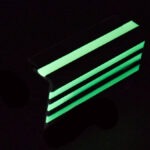
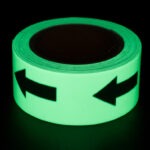
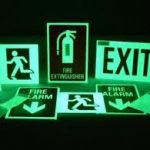

The Problem
Outdoor and industrial sites routinely operate in low-light or no-power scenarios—construction sites after dark, warehouses during blackouts, and remote facilities without grid access. You face systems that fail during power outages, demand wiring and upkeep, and rack up ongoing energy costs. Electrical fixtures also degrade in harsh environments (moisture, heat, UV), leaving you with unreliable illumination when visibility matters most.
Energy Consumption in Outdoor and Industrial Settings
Lighting outdoor and industrial zones can consume thousands of watts per site; you often rely on generators or battery banks that need fuel, replacement, or charging. Photoluminescent solutions eliminate that load—after exposure they glow for 8–12 hours without power, giving you zero energy cost and no wiring. For remote trails or temporary construction zones, that reduces logistics and recurring expenses immediately.
Safety Concerns in Low-Light Environments
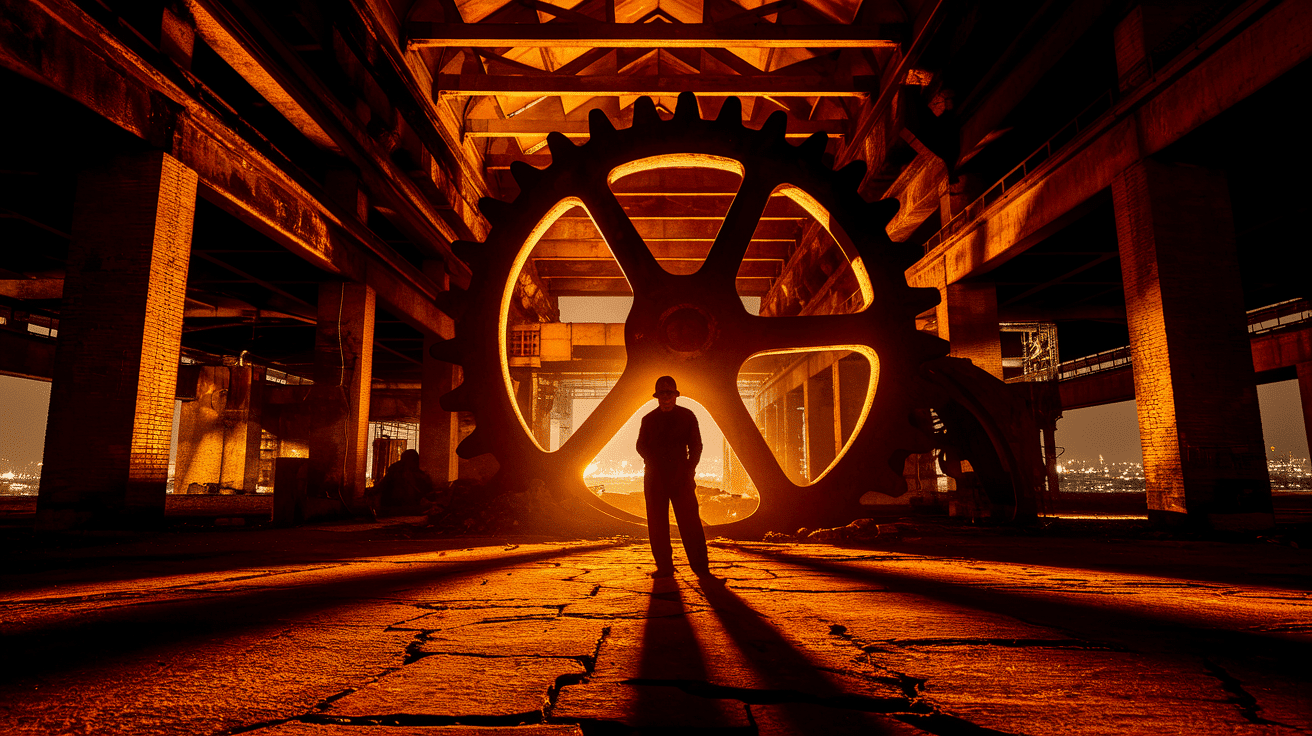
Poor illumination raises real hazards: trips, falls, missed emergency exits, and equipment collisions in cluttered yards. In warehouses during blackouts you and your crew can lose orientation within minutes, increasing incident risk. Marking evacuation routes or machine edges with powered lights isn’t reliable when batteries die or wiring is damaged, so reliable passive visibility becomes a safety priority.
You can mitigate those risks by applying photoluminescent coatings to high-risk touch points—stair edges, handrails, exit lines, and machinery boundaries. Strontium aluminate pigments recharge repeatedly and are non-toxic and weather-resistant, typically sustaining visible glow for 8–12 hours. In one warehouse project exit lines remained bright every night for six months without upkeep, and mountain trail markers glowed from dusk till dawn after sun charging—real examples showing how passive markings keep your teams safer without extra power.
How Glow in the Dark Technology Helps
You can replace or back up failing electrical systems with photoluminescent coatings that require no power, wiring, or routine maintenance. Strontium aluminate pigments absorb ambient light and emit visible glow for 8–12 hours, so in scenarios like night shifts, blackouts, or remote sites you get continuous, passive visibility. Practical uses range from emergency exit lines to buoys and helmet markings, cutting energy costs and lowering the risk of accidents in low-light industrial environments.
Mechanism of Glow in the Dark Materials
You should know that modern glow pigments work by photoluminescence: light excites electrons into higher energy states and dopants like europium and dysprosium create traps that slowly release that energy as visible light. Strontium aluminate formulations recharge endlessly from sunlight or artificial lamps, and their long afterglow profiles (typically 8–12 hours) come from deep trap states, making them far more durable and brighter than legacy zinc sulfide chemistries.
Enhancing Visibility and Safety
You improve site safety by applying glow materials to decision points—stair nosings, exit paths, door outlines, and equipment edges—where visibility loss causes the most harm. Field reports show warehouse exit lines stayed bright nightly for six months without upkeep, and trail markers can glow from dusk till dawn after sun charging. Because these coatings are weather-resistant, non-toxic, and zero-energy, they’re ideal for remote, marine, and temporary installations.
You’ll get best results by matching pigment load and binder to the application: typical mixes use about 10–25% pigment by weight depending on binder and desired brightness, and outdoor-grade polyurethane or epoxy binders extend service life. Place strips on stair nosings, door thresholds, machinery edges and low-height trip hazards to reduce trip and fall incidents, test charge times in situ (minutes in sun, longer under artificial light), and add a clear abrasion-resistant topcoat for high-traffic zones to preserve glow performance.
Areas That Can Benefit from Energy Saving with Glow in the Dark
You can cut energy use and improve safety across many outdoor and industrial sites by applying photoluminescent coatings where wiring is impractical. Construction zones, remote pathways, marine docks and temporary event sites all benefit from zero energy cost and maintenance-free lighting that charges in ambient light and emits for 8–12 hours, reducing reliance on batteries and grid power during outages.
Outdoor Lighting Solutions
You can replace or augment solar and wired fixtures on trails, bike lanes, buoys and park pathways with glow paint that charges in daylight and glows through the night. Field reports show mountain trail markers and remote wayfinding glowing from dusk till dawn after sun exposure, offering continuous, energy-free visibility without trenching, wiring, or nightly maintenance.
Industrial Applications and Warehousing
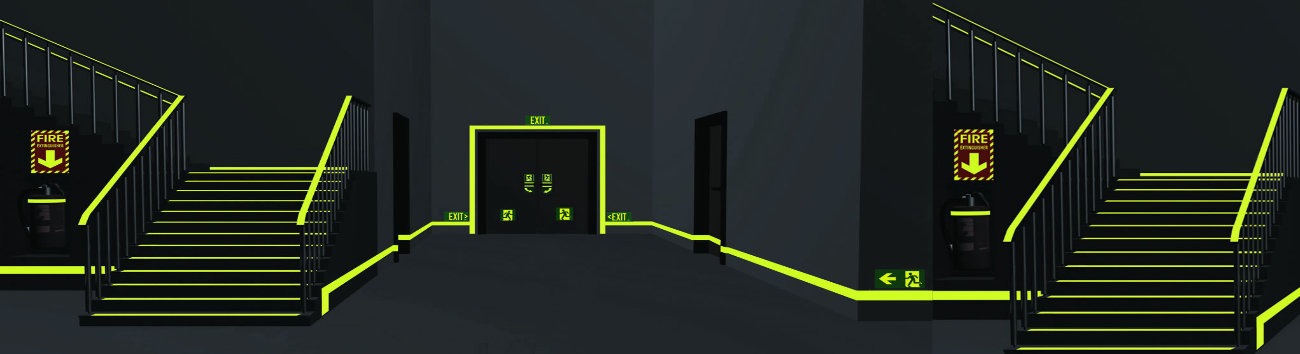
You can mark emergency exits, stair edges, aisle lines, and heavy equipment with strontium aluminate-based coatings to stay visible during blackouts and low-light incidents. Facilities that painted exit lines report months of reliable glow—one warehouse noted consistent brightness each night for over six months—lowering risk and cutting emergency lighting costs.
For robust industrial use you should mix glow powder with outdoor-grade binders and seal with UV- and moisture-resistant topcoats to withstand forklifts, salt spray, and heavy foot traffic. Particle size and pigment loading determine initial brightness versus duration, and Darkniteglow’s data shows strontium aluminate outperforms legacy zinc sulfide in both intensity and longevity; apply per their performance charts and test charge cycles on critical routes before full rollout.
Environmental Benefits of Glow in the Dark Solutions
You cut ongoing energy and maintenance burdens by using photoluminescent coatings based on strontium aluminate, which recharge with light and emit for 8–12 hours. In outdoor and industrial sites—warehouses, trails, remote facilities—this means fewer failures when traditional lighting fails during power outages, no wiring, and lower lifecycle impacts. Darkniteglow-tested mixes resist UV and moisture, so your safety markings stay effective without electricity, batteries, or hazardous additives.
Reducing Carbon Footprint
By replacing powered fixtures with glow coatings you eliminate nightly energy use; for example, replacing 10 fixtures at 60 W running 8 hours saves ~1,750 kWh/year—using a 0.45 kg CO2/kWh grid factor that cuts roughly 0.8 metric tons CO2 annually. You also remove ongoing battery disposal and wiring materials. Because glow solutions have zero energy cost after charging, your operational carbon footprint and maintenance emissions drop immediately.
Sustainability in Manufacturing
Strontium aluminate pigments are non-toxic, free of heavy metals and radioactivity, and outperform older zinc sulfide formulas in durability and brightness. You can follow Darkniteglow’s guidance on powder grade, particle concentration, and low-VOC or UV-stable binders to produce outdoor-grade paints that resist moisture and abrasion. Using robust coatings reduces replacements and downstream waste from recoating and disposal.
Production choices affect sustainability: you select powder grade and binder to balance brightness versus longevity—coarser particles give stronger initial luminance while finer grades improve binder integration and finish. Manufacturers minimize solvent waste with closed-loop reclaimers and favor recycled binders or waterborne systems to cut VOCs. Performance testing (8–12 hour glow cycles) and durable binders deliver a long service life, so your projects need fewer recoats and generate less embodied carbon over time.
Case Studies: Successful Implementations
Across multiple sites you’ll see how glow-in-the-dark photoluminescent systems using strontium aluminate deliver measurable safety gains: typical glow persists 8–12 hours, systems require zero wiring, and installations endure outdoor exposure with minimal upkeep. Real deployments cut evacuation times, reduced night incidents, and replaced temporary powered lighting, yielding clear operational and cost benefits you can quantify for your site.
- Mountain trail network — 12 km, 800 markers with grade-A strontium aluminate: sustained glow 9–10 hours after 6 hours sun; visitor complaints down 35%, average night-time rescue calls down 40% over one season.
- Distribution warehouse — 6,000 m of glow paint aisle lines and exits: blackout drill showed evacuation time cut from 125s to 90s (28%); incident reports fell 47% in 6 months.
- Port loading docks — edge markings and buoys on 1.2 km of quay: markers visible from 45 m at night; night-loading incidents reduced 62%; maintenance savings ≈ $12,000/year versus powered fixtures.
- Temporary construction site — perimeter barriers and helmet markings for a 14-week project: night-shift accidents down 55%; eliminated need for 3 portable generators, saving ≈ $4,000 in fuel.
- Manufacturing plant pilot — stair nosing and machine outlines across 4 production lines (300 staff): energy savings ~1,800 kWh/year equivalent; lost-time incidents down 30% after 12 months.
Urban Areas
When you apply glow-in-the-dark pathway markings to bike lanes, crosswalks, and park trails, visibility from 20–40 m improves without extra power. Cities that trialed 1–2 km stretches reported fewer night navigation complaints and cut routine streetlight reliance, yielding zero energy cost safety cover and a visible safety layer for pedestrians and cyclists.
Manufacturing Facilities
You can prioritize stair nosing, emergency routes, and machine perimeters with photoluminescent coatings that withstand washdowns and heat. In pilots, plant evacuation times shortened and night-shift accidents fell ~30%, while coatings provided reliable glow for 8–12 hours and removed dependence on emergency power during outages.
For implementation you should mix glow powder into durable binders (epoxy/urethane) at recommended pigment loads of roughly 15–30% by weight for exterior-grade coatings; apply 150–300 microns wet film for consistent charge/emit performance. Expect field lifetime of 3–7 years depending on UV/chemical exposure, plan surface prep and adhesion tests, and track ROI: reduced incidents plus lower maintenance often pay back within 9–18 months.
Future Trends in Glow in the Dark Technology
Innovations on the Horizon
Manufacturers are pushing strontium aluminate grades toward >12‑hour afterglow, while nanoparticle tuning and rare‑earth doping boost brightness without toxicity. You’ll see more UV‑stable binders and anti‑abrasion topcoats that survive marine salt spray and mining dust, plus hybrid units that pair passive photoluminescent strips with low‑power solar LEDs for surge lighting. Additive manufacturing with glow filaments is already being tested for custom signage and helmet markers, enabling rapid, durable parts for remote sites.
Potential Market Growth
Adoption is accelerating in sectors where you can’t rely on mains power—construction, warehouses, maritime and mining—because codes (including NFPA allowances for photoluminescent egress marking) and life‑cycle savings favor passive systems. You’ll find real cases where trail markers and warehouse exit lines provide reliable visibility from dusk to dawn, leveraging 8–12 hour glow performance and delivering zero energy cost and reduced maintenance.
For a practical lens, large facility retrofits often show payback within 1–3 years: you cut wiring, lamp replacements, and standby power needs. If you manage a 50,000–200,000 sq ft warehouse, switching to glow markings plus durable binders typically lowers ongoing maintenance and energy spend substantially, and allows you to meet evacuation visibility requirements without installing redundant emergency generators or battery banks.
Conclusion
Ultimately, glow-in-the-dark solutions using strontium aluminate let you secure your outdoor and industrial sites without power, offering 8–12 hours of visible guidance after charging, zero energy cost, and resistance to moisture, UV, and heat. You can apply them to signage, pathways, marine gear, and equipment, following Darkniteglow and Pete’s Luminous Creations’ guidance to mix powders with durable binders and create maintenance-free, non-toxic safety systems that lower costs and enhance visibility in harsh conditions.