
Table of Contents
Glow in the Dark Trends in Fashion
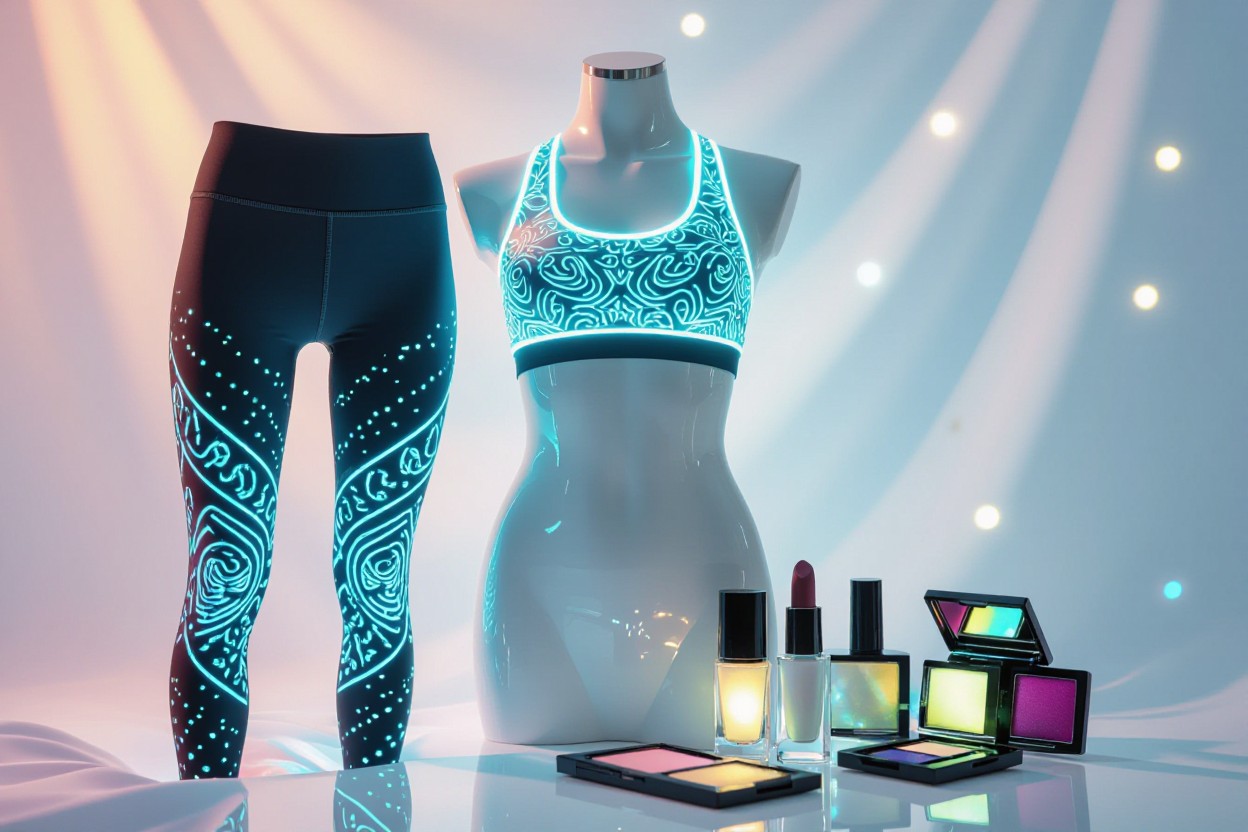
Glow in the dark fashion has moved from novelty into mainstream style. What once belonged only to party outfits or stage costumes is now shaping everyday wear, performance gear, and safety clothing. With advances in luminous fabrics, reflective trims, glow paint, and UV-reactive materials, designers are creating pieces that blend spectacle, utility, and personal expression. To make the most of this trend, it helps to understand how these materials work, their emotional impact, and how to style and care for them.
The Appeal of Luminous Clothing
The draw of glowing apparel lies in its balance between show and function. Glow fabrics and reflective panels improve visibility in low light, while phosphorescent paints and pigments deliver soft afterglows that last through the night. Some designs even hint at a future of bio-luminous textiles, where fabrics could glow on their own without charging. Altogether, these elements transform familiar clothing into bold visual statements that transition seamlessly from daylight wear to nighttime attraction.
How the Glow Works
Most glow fashion relies on Photoluminescent pigments, which store light and release it slowly over time. Modern pigments are brighter and longer-lasting than older versions, glowing for many hours after a short exposure to light. Other approaches involve embedding LED lights into garments or using UV-reactive inks that shine vividly under blacklight. Designers can layer or combine these methods to produce adjustable brightness, glowing color shifts, or patterns that only appear in darkness.
Emotional Impact of Lighted Clothing
Wearing luminous clothing doesn’t just change how you look—it changes how you feel and how others respond to you. The glow creates a sense of visibility and presence, making wearers feel more confident in social or performance settings. Light has long been tied to feelings of safety, warmth, and optimism, so glowing clothes naturally spark positive associations.
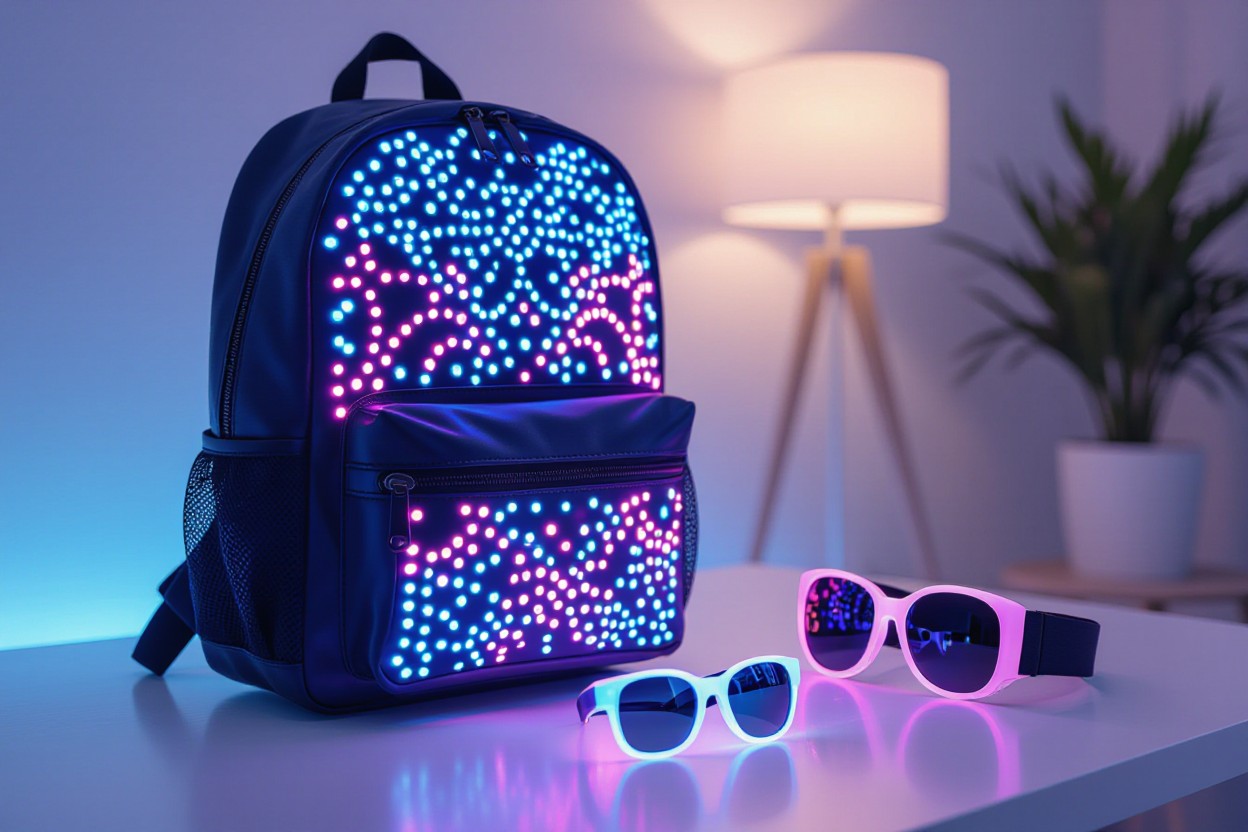
There is also a psychological element: exposure to light influences mood, energy, and alertness. In darker settings, glow apparel can help lift spirits and stimulate social interaction. Many brands and event organizers take advantage of this by creating immersive glow experiences, from glow-paint gatherings to interactive, light-based installations that encourage shared identity and connection.
The Showstopper Effect
Glowing clothing draws the eye instantly. At concerts, parties, or fashion shows, pieces with glow fabrics, glow paint, or illuminated trims turn the wearer into a moving highlight. Unlike traditional fashion, glow apparel does not rely on spotlights—it creates its own stage presence.
Designers often enhance this effect with programmable light sequences, layered glow patterns, or reflective elements that pop against darker fabrics. The result is clothing that performs as much as it dresses. Planning is key: garments need durable coatings, safe power sources when electronics are involved, and styling choices that balance bold effects with comfort and practicality.
Photoluminescent Materials: The Foundation of Glow
The most common glow materials are phosphorescent pigments, applied as coatings, paints, or embedded directly into fibers. They absorb light during the day and release it gradually in the dark. Some fabrics are surface-treated for brightness, while others are manufactured with pigments woven into the fibers, making them softer and more durable.
Other glow options include reflective tapes, which bounce light back at night, and UV-reactive finishes that shine under blacklight but remain plain under normal lighting. Though less common, experimental textiles explore living systems—engineered organisms that emit faint glows naturally.
Phosphorescent Fabrics
Glow fabrics rely on pigments stored in the textile structure. When charged by sunlight or indoor light, they continue to emit a soft glow for hours. Fiber-integrated pigments create a lasting effect that survives repeated washing, while surface coatings tend to deliver brighter light but wear off more quickly.
To maximize performance, fabrics should be exposed to light for at least 10–30 minutes before use in the dark. Many designs recharge effectively with either daylight or artificial UV light, making them adaptable for both daily wear and evening events.
Synthetic Biology in Textiles
Some researchers are experimenting with fabrics that glow naturally using bioluminescence. By embedding biological systems into textiles, these designs could glow without needing to be charged. While the effect today is still faint and experimental, the long-term vision is clothing that maintains its own light source.
Current prototypes involve encapsulating glowing cells or enzymes inside protective layers that provide nutrients and stability. The challenge is achieving stronger light while keeping the fabric flexible and safe for daily wear. Though not yet practical, these early explorations point to a future where fashion and biology intersect.
Care and Durability
Glow apparel requires special handling to stay effective. Hand washing in cold water or using a delicate cycle with mild detergent is best. Avoid bleach, harsh chemicals, and fabric softeners, as they can damage luminous coatings. Air drying is recommended, since high heat can reduce glow strength.
Longevity varies with material type. Pigment-infused fabrics may last through dozens of washes, while painted surfaces may begin to fade sooner. Glow tapes and trims often last the longest, provided they are not exposed to heavy abrasion. Recharging garments under sunlight or UV light after washing helps restore brightness.
For experimental biological textiles, care must follow safety guidelines and manufacturer instructions, since they contain living components.
Styling Your Glow
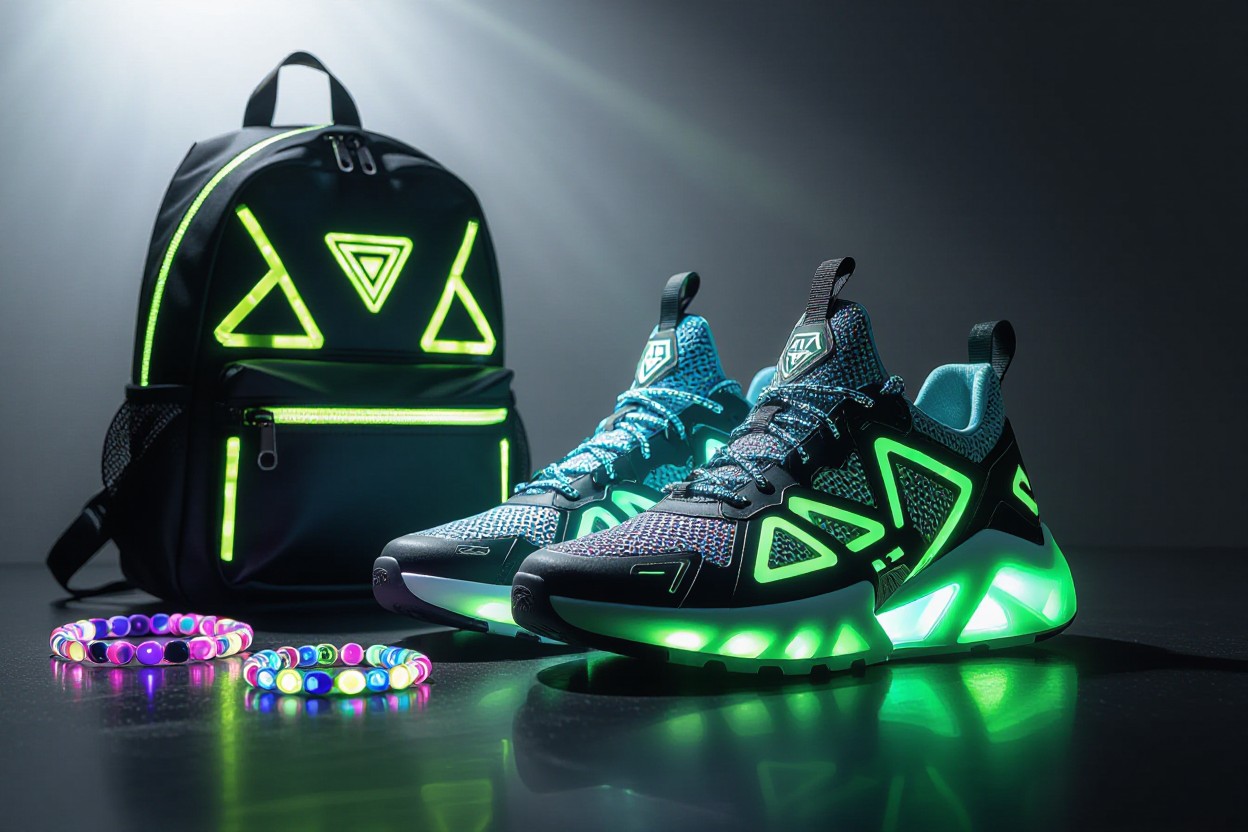
The key to styling glow apparel is balance. A glowing jacket, dress, or pair of sneakers makes a strong statement and pairs best with neutral basics. Overloading on glow items can overwhelm the look, while one or two glowing accents create intrigue without distraction.
Some guidelines:
-
Choose a centerpiece: Let one glow item carry the outfit, such as a jacket, shoes, or accessory.
-
Accentuate with trims: Add reflective or glow tape to subtle areas like cuffs, hems, or bags.
-
Use paint sparingly: Glow paint works best for highlights or custom details.
-
Match setting to effect: UV-reactive items are ideal for clubs and festivals, while phosphorescent fabrics and glow trims work in everyday or outdoor settings.
By mixing bold and subtle applications, you can shift between statement-making looks and low-key style with luminous flair.