


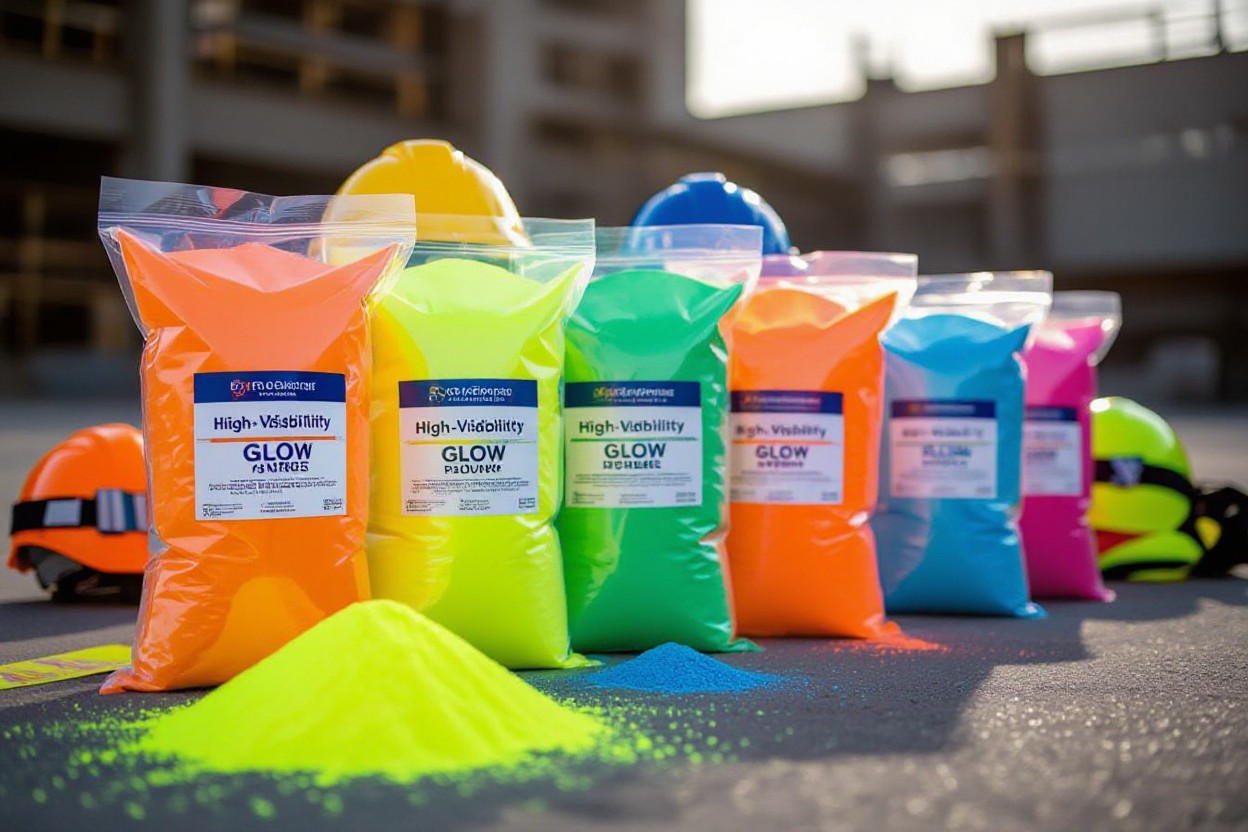
Over the last decade you’ve seen glow powder move from novelty to imperative safety tool: when visibility failures can be deadly, you rely on power-free lighting for signage, pathways and emergency gear. The science—strontium aluminate’s superior glow and longevity—plus its non-toxic, weather-resistant durability make it ideal for painted surfaces, glow stickers or molded plastics; proper recharging, maintenance and design placement ensure consistent, high-visibility performance you can trust. This innovation is crucial for anyone looking to enhance glow for safety and industrial use.
Table of Contents
Key Takeaways:
- Provides reliable, power-free illumination for signage, pathways, and emergency gear in remote or power-down situations.
- Strontium aluminate-based glow powders deliver higher brightness and much longer afterglow than older zinc sulfide mixes, and recharge effectively from daylight or UV sources.
- Non-toxic, weather-resistant formulations withstand industrial environments; durable coatings resist abrasion, chemicals, and UV when properly sealed.
- Flexible application options: brush-on or spray paints for large areas, preformed glow stickers/tapes and glow plastics for rapid installation; surface preparation, multiple thin coats, and protective topcoats improve performance.
- Afterglow typically peaks in the first hour and can last several hours; recharge with daylight/UV, schedule periodic recoats, and use high-contrast colors and reflective materials for maximum nighttime visibility.
Illuminating Challenges: The Need for Non-Powered Solutions
Power Outages and Outdoor Safety Risks
Storms and grid failures can plunge sites into darkness within minutes, raising slip‑and‑fall and collision risks; you rely on non‑powered markers to keep exits, pathways, and hazard zones visible. Strontium aluminate options typically sustain a readable afterglow for 8–12 hours after daylight charging, letting your crews and first responders navigate extended outages without batteries or generators.
Navigating Remote Environments without Electricity
On remote highways, trails, offshore platforms and mines, resupply and power are limited, so you need passive lighting that recharges from sunlight or UV and endures harsh conditions. Strontium aluminate coatings, tapes and molded parts resist rain, salt spray and abrasion while providing a persistent afterglow, keeping your signage, tool storage and emergency kits visible through the night without electrical infrastructure.
For remote deployments you should specify application and maintenance: mix glow powder at 10–30% by weight into a compatible binder, apply two coats at about 100–200 μm wet film, then seal with a clear polyurethane for abrasion resistance. Full recharge typically requires 10–30 minutes of bright sun (short UV bursts yield usable glow), and with routine cleaning and occasional recoats expect a functional outdoor lifespan of 5–10 years depending on traffic and exposure.
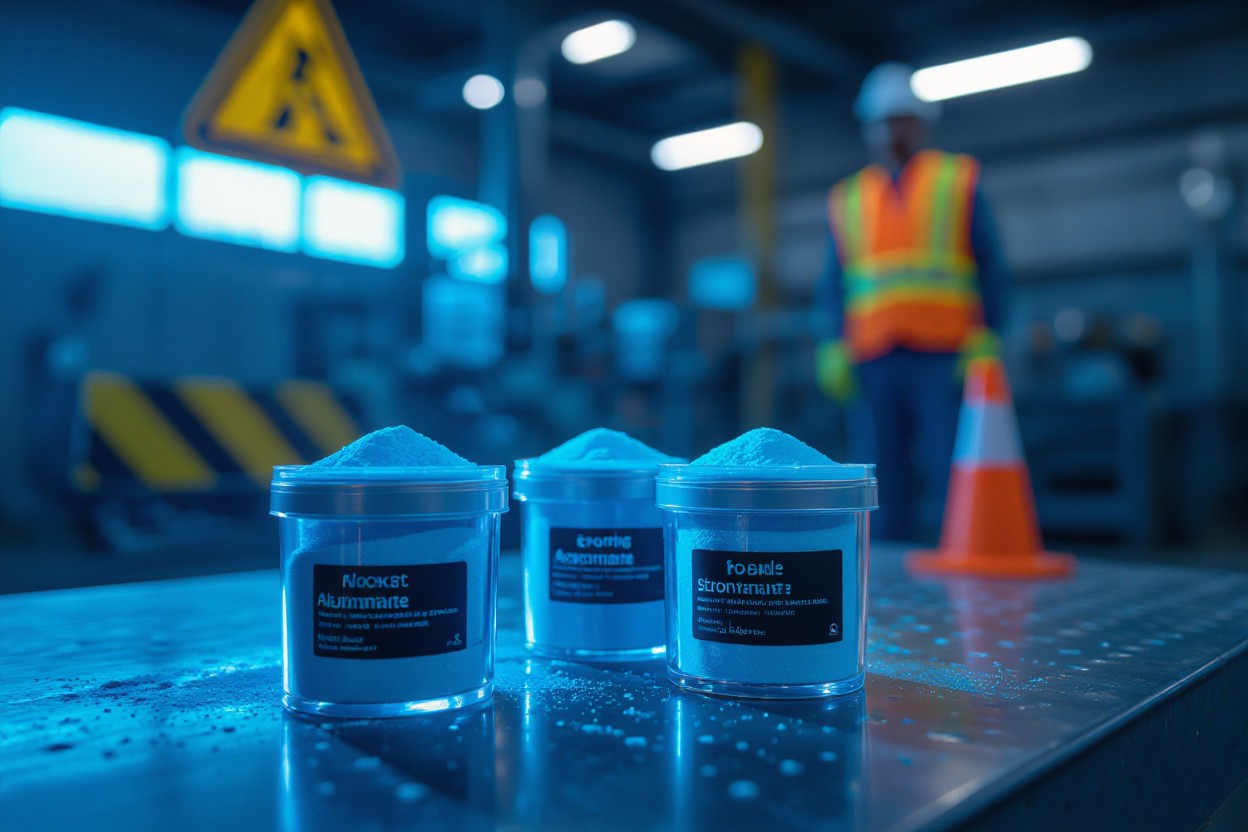
The Glow Factor: Unpacking Strontium Aluminate’s Power
Strontium aluminate (SrAl2O4:Eu2+,Dy3+) delivers up to 10× the brightness of older zinc-sulfide pigments and a visible afterglow that can last 8–12 hours after a full-day charge. You get a peak green emission near 520 nm, simple daylight recharging in 10–30 minutes, and robust outdoor performance when embedded in UV-stable binders—making it ideal for signage, pathway markers, and emergency gear where power-free, long-duration visibility matters.
Chemistry Behind the Brightness and Longevity
Europium (Eu2+) acts as the primary luminescent activator while dysprosium (Dy3+) creates electron traps that release charge slowly, producing extended afterglow. You recharge the pigment by exposing it to UV/visible light; trapped electrons leak out over hours rather than minutes, giving a half-life on the order of hours depending on particle size and binder. High-grade powders retain significant photoluminescence after thousands of charge cycles if protected from abrasion and harsh chemicals.
Comparative Analysis of Glow Materials
Strontium aluminate outperforms zinc sulfide by brightness and duration—zinc sulfide typically glows for minutes to ~1 hour, while SrAl lasts hours. Tritium offers steady light for 10–20 years but is radioactive and heavily regulated, creating handling and disposal constraints. LEDs provide superior luminance but require power and wiring. You should weigh brightness, maintenance, regulatory issues, and lifecycle costs when selecting materials for industrial safety.
Below is a concise breakdown to help you compare options by performance, hazards, and typical industrial uses.
Comparative Summary
| Material | Key Traits / Notes |
|---|---|
| Strontium Aluminate (SrAl2O4:Eu,Dy) | Peak ~520 nm green; 8–12 hr visible afterglow; recharges in 10–30 min sunlight; non-toxic; stable outdoors 5–10 years with coatings; used in road markings and emergency exit paints. |
| Zinc Sulfide | Lower initial brightness; minutes to ~1 hr afterglow; cheaper; best for low-cost novelty or short-duration markers; degrades faster under UV. |
| Tritium | Self-luminous for 10–20 years; constant output without charging; radioactive—regulated, restricted, and requires special handling/disposal; used in specialized safety markers where regulations allow. |
| LEDs / Powered Solutions | Highest sustained luminance; requires wiring/batteries; predictable output and easy regulation compliance; higher maintenance and operational cost versus passive glow powders. |
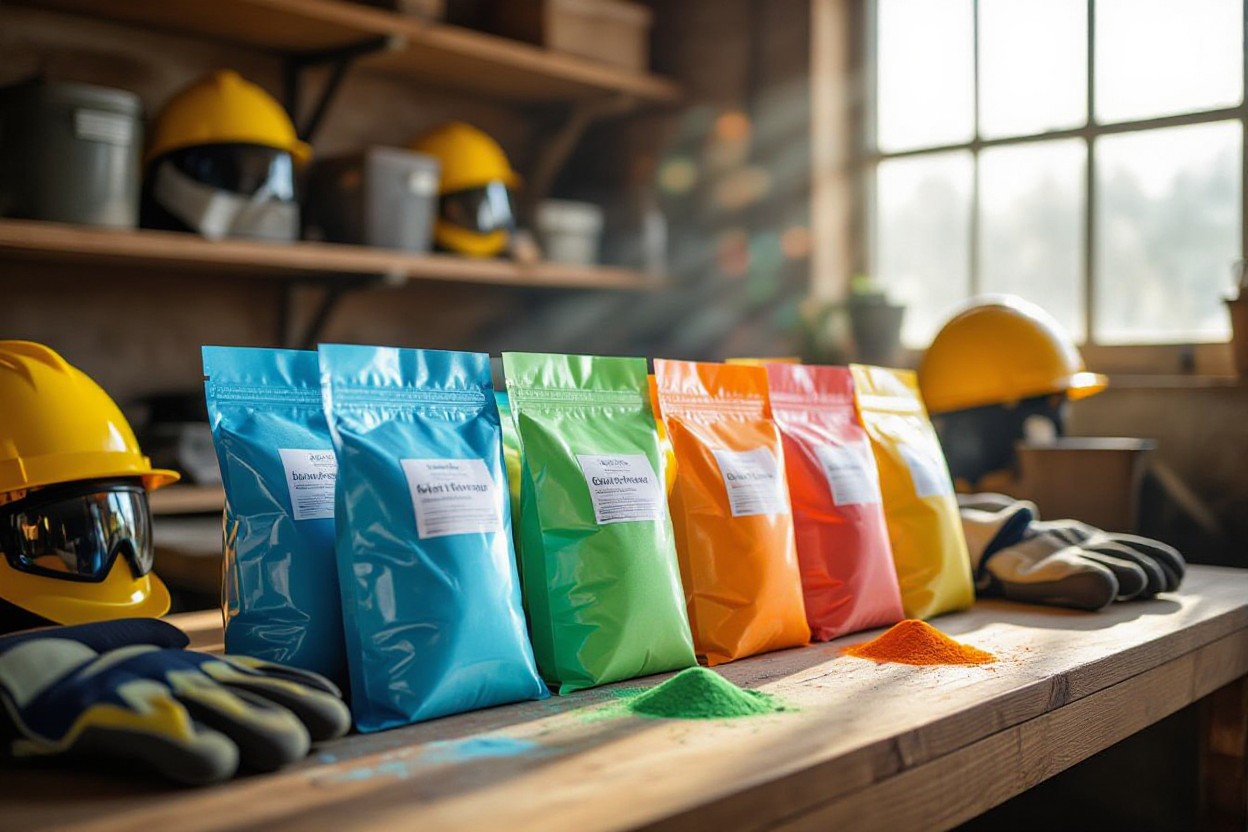
Beyond Safety: Unveiling the Environmental Benefits
Adopting glow powder systems helps you cut operational energy use and waste: strontium aluminate-based coatings deliver visible afterglow for 8–12 hours after daylight charging and coatings often retain performance for 5–10 years outdoors. You reduce reliance on grid-powered signs and emergency lighting, lower maintenance cycles, and minimize hazardous disposal streams by choosing non-toxic pigments over legacy heavy-metal alternatives.
Non-Toxic Properties and Sustainability
Strontium aluminate pigments are non-toxic, free of cadmium and other heavy metals, and chemically inert in cured binders, so you avoid leaching risks during service or disposal. Replacing a 3–6 W continuously lit exit sign with a glow solution saves roughly 26–53 kWh/year per sign, cutting your facility’s energy use and carbon footprint while meeting safety compliance without batteries or wiring.
Durability Against the Elements
Outdoor formulations pair pigment with UV-resistant binders and sacrificial clear coats so your markings resist sun, rain and salt—serving in tropical monsoon conditions like Malaysia’s road trials. You can expect maintained visibility through repeated wet/dry and freeze/thaw cycles, with protective systems delivering waterproof and abrasion-resistant performance under heavy foot and vehicle traffic.
For specification, aim for pigment loadings of roughly 10–20% by weight in high-build paints or 100–300 µm thick deposited layers in retrofit tapes to maximize luminance. Use polyurethane or epoxy binders and a clear topcoat; routine inspections every 3–7 years determine recoat needs depending on abrasion levels. Taber or salt-spray testing during selection helps you validate longevity for your site-specific exposure.
Creative Applications: Innovative Techniques for Industrial Use
Blend strontium aluminate into coatings and molded parts to create persistent, power-free markers: pigment loadings of roughly 10–25% by weight in topcoats and 100–400 µm film builds deliver visible glow for 8–12+ hours after a 10–20 minute sunlight charge. You can embed glow-filled treads, tool outlines, and emergency kits; Malaysia road-marking trials show passive studs and painted thermoplastic lines reduce night-time accidents without electrical infrastructure.
Best Practices for Painting and Installation
Prepare surfaces by degreasing and abrasive blast or 120–180 grit sanding to promote adhesion, then apply a bonding primer. You should mix pigment evenly into epoxy or polyurethane binders, apply 2–3 thin coats, and topcoat with a clear UV-resistant sealer to protect luminance. Ensure non-slip textures on walkways and use respiratory protection when sanding—dust control prevents inhalation of fine particles and preserves coating performance.
Off-the-Shelf Solutions: Glow Stickers and Plastics
Pre-made glow stickers, tapes, and injection-molded plastics offer rapid deployment: choose acrylic-backed stickers for high peel strength or polycarbonate panels for impact resistance. You can apply stickers to signage, handrails, and exit hardware; typical industrial-grade products maintain visible glow for years under normal UV exposure and simplify compliance compared with on-site painting.
When deciding on off-the-shelf items, evaluate luminous performance (visible after 10 minutes charge), adhesive shear ratings, and environmental ratings such as IP65. Expect service life of roughly 3–10 years depending on UV, abrasion, and cleaning regimen; replace products showing reduced luminance. Avoid solvent cleaners that strip adhesives, and test adhesive compatibility on oil-prone substrates before full installation to prevent peeling in high-humidity or high-heat zones.
Maintenance and Longevity: Ensuring Continuous Visibility
Schedule monthly visual inspections and quarterly functional tests to keep glow elements reliable; dirt, oil, or grit can cut output by >50% and reduced glow increases trip and evacuation risk. Use mild detergent and soft brushes for cleaning, avoid solvent contact that breaks binders, and apply a clear, UV-stable topcoat every 2–4 years to protect pigments. Log recharge performance (hours of usable glow after charge) so you can spot degradation and plan timed recoats or replacements before safety margins fall below your threshold.
Recharging Techniques for Optimal Glow
Expose strontium aluminate coatings to direct sunlight for 10–30 minutes for a strong charge; fluorescent lamps need 30–60 minutes. For rapid industrial cycling, install UV LED arrays (395–405 nm) which recharge surfaces in 1–5 minutes and work well during shift changes. Account for topcoats—thick or tinted sealers can reduce recharge efficiency by 10–30%, so test recharge times after any coating change and calibrate your lighting or duty cycle accordingly.
Expected Lifespan and Replacement Strategies
Outdoor, high-exposure installations commonly last 3–7 years before photoluminescent output drops below useful levels; indoor, protected applications often reach 7–15 years. Define replacement triggers such as visible brightness under 30% of original or inability to sustain glow for required evacuation time (e.g., 4 hours). Conduct annual photometric tests, prioritize high-traffic or emergency routes for earlier replacement, and keep spares of pre-coated strips or paint for rapid swaps to maintain continuous compliance.
Performance depends on pigment load, binder chemistry, and abrasion; higher pigment concentration (e.g., ≥30% by weight in coatings) yields stronger initial luminance but may need different binders. Recoating with a UV-resistant polyurethane every 2–4 years extends life, while embedded glow plastics resist wear and can last longer under heavy traffic. Field reports from road trials in tropical climates show 3–5 years under heavy sun and traffic, whereas protected warehouse exits often need rework around year four—track your site-specific data to refine replacement intervals.
Design Principles: Mastering High Visibility
You should prioritize contrasts, luminance and placement tailored to human night vision: use strontium aluminate for its 8–12 hour afterglow and pair it with high-contrast background colors to extend detectability. Specify surface coverage, charging exposure, and maintenance intervals in design specs so contractors know to apply thicker pigment layers in high-wear zones and plan reapplications every 2–5 years depending on abrasion and UV exposure.
Techniques for Effective Integration into Environments
Layer glow powder into primers, embed in clear epoxy for walkways, or select pre-made tapes and molded parts for rapid installation; you can combine power-free glow strips with reflective sheeting to cover both day and night visibility. Malaysia’s road-marking pilots used resin inlays along shoulders to maintain visibility during heavy rain. Schedule periodic recharging—about 10–30 minutes sunlight or 30–60 minutes under bright LED—and inspect for wear quarterly in high-traffic zones.
Color Choices and Placement Strategies
Opt for green/teal strontium aluminate where sustained brightness matters because green yields the highest perceived luminance; reserve red accents for immediate hazards despite shorter afterglow. Place strips at tread edges, door thresholds and 1.0–1.2 m eye-height markers on door frames for wayfinding; ensure at least a 10–15% surface contrast ratio between glow elements and their background for rapid detection.
Green phosphors peak around ~520 nm, aligning closely with scotopic sensitivity so you’ll get better detection at low light. For stair nosings use 25–50 mm wide bands, apply continuous 100–150 mm bands at exit thresholds, and space pathway markers every 300–500 mm in high-speed corridors. Test sample panels outdoors for 24–72 hours to verify recharge time and real-world persistence before full rollout.
To wrap up
To wrap up you can integrate glow powder (strontium aluminate) into signage, paint, stickers, or molded plastics to ensure reliable, power-free visibility in remote or power-down situations. Its superior brightness, longevity, non-toxic composition, and weather resistance mean your pathways, exits, and equipment remain visible through the night with minimal maintenance; recharge by daylight and expect years of service depending on binder and exposure. For best results you should prioritize contrast, surface prep, and layered application—Malaysia road cases show clear performance gains in real-world conditions.
FAQ
Q: What is glow powder and how does it work in outdoor and industrial settings?
A: Glow powder is a photoluminescent pigment—most commonly strontium aluminate doped with rare-earth elements—that absorbs visible or UV light and slowly re-emits it in darkness. It provides reliable, power-free illumination for signage, pathways, safety markers and emergency equipment. Compared with older zinc-sulfide pigments, strontium aluminate offers higher initial brightness and much longer afterglow (visible for many hours under typical conditions). Recharge occurs via sunlight or artificial light (UV/blue-rich LEDs recharge fastest).
Q: What are the typical use cases and safety benefits for industrial and outdoor applications?
A: Typical applications include exit routes, stair nosings, walkway and pathway markers, road and bike-lane markings, emergency equipment labels, safety tapes and non-electrical signage. Benefits: non-toxic inorganic chemistry, resistance to weather and temperature extremes (when properly sealed), reliable illumination during power outages or in remote locations, and reduced dependence on electrical systems for temporary or backup visibility. Documented outdoor projects—such as road-marking pilots in Malaysia—show improved nighttime visibility and reduced maintenance visits compared with some active lighting solutions.
Q: How should glow powder be applied for durable industrial performance?
A: Application options: 1) Mix pigment into paint or topcoat binders (epoxy, polyurethane, or acrylic) at supplier-recommended pigment loadings for coatings; 2) Cast or injection-mold into plastics/resin for glow plastic parts; 3) Use pre-made products like glow tape, stickers or photoluminescent laminates for fast installation. Best practices: prepare and clean substrates, control pigment loading and layer thickness (brightness scales with loading and thickness), use UV-resistant clear topcoats to lock pigment in place, and select binders matched to environmental exposure (abrasion, chemicals, UV). For high-wear surfaces consider embedding pigment into a hard-wearing layer or using retrofit glow strips with protective covers.
Q: What maintenance, recharging and lifespan can I expect from glow-powder products?
A: Recharge by exposing surfaces to daylight or artificial light (sunlight yields the fastest charge; blue/UV LEDs work well for indoor recharges). High-quality strontium aluminate formulations can provide visible glow for 8–12+ hours after a full charge; effective lifetime depends on binder durability and exposure—coatings and embedded parts typically remain functional for several years (often 5–10+ years) before brightness diminishes noticeably. Maintenance tips: keep surfaces clean of dirt and grime that block light, inspect and recoat or replace topcoats worn by abrasion or chemical exposure, avoid strong solvents or acids that attack binders, and schedule periodic recharging tests as part of safety inspections.
Q: What safety, design and regulatory considerations should I follow to maximize visibility and compliance?
A: Safety: use certified photoluminescent materials where regulations specify (check local codes for egress, maritime or road-marking standards). Design tips: choose high-contrast color combinations (green/blue photoluminescent hues are most visible at night), size and space markers to match viewing distance and speed, combine glow with reflective elements for mixed-light conditions, orient markers to minimize glare and maximize exposure to charging light, and plan redundancy on critical routes (multiple markers, layered systems). Real-world feedback: “We painted emergency exits at the warehouse—glow lasts the entire night.” and “Our non-toxic line glow tape keeps safety compliance up without electricity.” These outcomes highlight practical benefits when materials and installation follow best practices.