Photochromic Materials Guide: UV Reactive Color Changing Pigments, Inks & Smart Surfaces
Photochromic materials are fascinating color-changing substances that react to ultraviolet (UV) light. Indoors they may appear nearly colorless or lightly tinted, but once exposed to sunlight or UV light, they rapidly transform into vibrant colors.
This effect is commonly associated with transition lenses, but photochromic technology is now used in printing, fashion, coatings, packaging, toys, industrial products, and interactive designs.
Unlike glow-in-the-dark materials that store and emit light, photochromic materials only change color while UV light is present.
What Is a Photochromic Effect?
A photochromic effect occurs when a material changes color after exposure to ultraviolet light.
When UV light disappears:
- The color fades back
- The material returns to its original state
This transformation is reversible and can repeat many times.
The reaction may happen within seconds depending on:
- UV intensity
- Pigment quality
- Environmental temperature
- Material thickness
How Photochromic Pigments Work
Photochromic pigments contain molecules that temporarily change molecular structure under UV exposure.
This structural change alters:
- Light absorption
- Reflection properties
- Visible color appearance
Once the UV source is removed, the molecules gradually return to their original form.
This cycle can repeat thousands of times, although performance slowly decreases over extended exposure.
For colour-changing effects triggered by sunlight or UV exposure, Photochromic Powder can be incorporated into suitable materials to create a reversible colour transformation.
Common Colors and Effects
Photochromic materials are available in:
- Purple
- Blue
- Pink
- Red
- Orange
- Yellow
- Green
Effects can include:
- Transparent to colored
- White to vivid color
- Pale to dark
- Multi-color transitions
Some advanced systems combine multiple pigments for layered effects.
Where Photochromic Materials Are Used
Eyewear and Transition Lenses
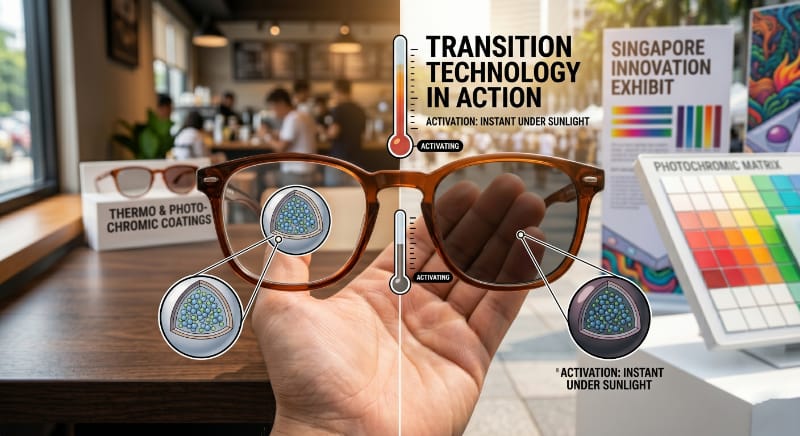
One of the best-known uses is in adaptive eyewear.
The lenses:
- Darken outdoors
- Become clearer indoors
- Reduce UV exposure
- Improve visual comfort
Printing and Packaging
Photochromic inks are widely used in promotional printing and interactive packaging.
Applications include:
- Hidden graphics
- Sunlight activated branding
- Security printing
- Limited edition packaging
- Marketing campaigns
These effects encourage customer interaction and engagement.
Fashion and Apparel
UV-reactive clothing and accessories have become popular in:
- Streetwear
- Festival fashion
- Sportswear
- Kids products
Designs may change color outdoors under sunlight exposure.
Toys and Educational Products
Photochromic materials are often used in:
- Educational science kits
- Interactive toys
- UV detection products
- Novelty items
These products help demonstrate UV light behavior visually.
Industrial and Safety Uses
Practical applications include:
- UV exposure indicators
- Sunlight monitoring labels
- Outdoor equipment testing
- UV sterilization verification
Some materials help monitor harmful UV exposure levels.
Ways Photochromic Materials Can Be Used
Photochromic Powder
Photochromic pigments are available in powder form for incorporation into suitable coatings and other materials. See our Photochromic Powder range for products designed to create light-activated colour changes.
Photochromic Paint
Photochromic pigments can be mixed into clear or colored paints for:
- Murals
- Decorative panels
- Custom artwork
- Interactive signage
- Specialty coatings
Outdoor sunlight reveals the hidden effects.
Photochromic Printing
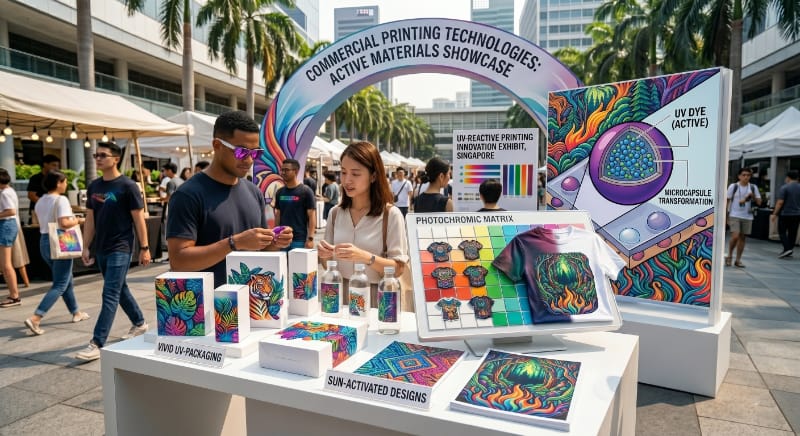
Popular printing methods include:
- Screen printing
- UV printing
- Offset printing
- Flexographic printing
These are commonly used on:
- T-shirts
- Labels
- Stickers
- Posters
- Packaging
Plastic & Resin Casting
Photochromic powders can be embedded into:
- Epoxy resin
- Acrylic products
- Plastic molding
- Decorative crafts
The finished products react when exposed to sunlight or UV light.
Photochromic vs Fluorescent vs Glow in the Dark
These effects are frequently confused but work differently.
Photochromic
Changes color under UV light.
Fluorescent
Glows brightly only while UV light shines on it.
Glow in the Dark
Absorbs light energy and glows in darkness after the light source is removed.
Each technology creates a completely different visual effect.
Important Considerations
UV Stability
Extended sunlight exposure slowly reduces effectiveness over time.
High-quality coatings and UV stabilizers can improve lifespan.
Indoor Performance
Most photochromic materials require UV light to activate properly.
Standard indoor lighting usually produces limited effect.
Temperature Sensitivity
Cold temperatures often increase photochromic intensity, while extreme heat may reduce visible color change.
Creative Uses for Photochromic Effects
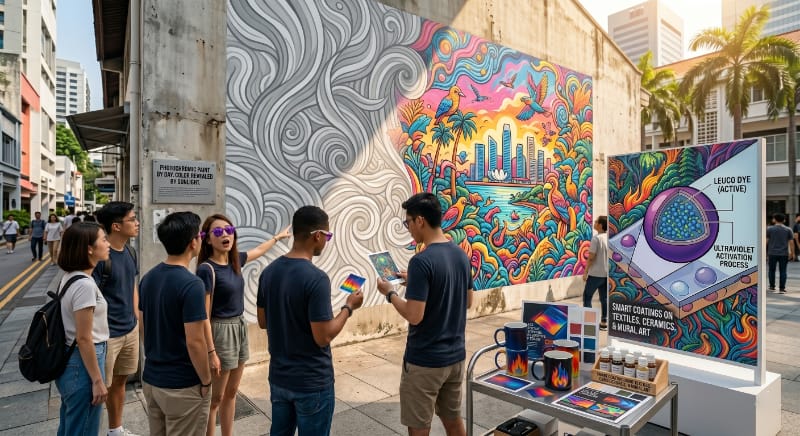
Designers and artists use photochromic materials to create:
- Hidden outdoor artwork
- Interactive product packaging
- Sunlight-reactive fashion
- Dynamic signage
- UV-sensitive gaming props
- Event decorations
- Experiential marketing installations
Combining photochromic and fluorescent effects can create dramatic daytime and UV-light transformations.
The Future of Photochromic Technology
Modern photochromic systems are being developed for:
- Smart windows
- Adaptive coatings
- Wearable technology
- UV sensing devices
- Interactive architecture
- Energy-efficient materials
As material science improves, photochromic products are becoming more vibrant, durable, and commercially practical.
Comparing Special Effects
Photochromic effects are just one type of colour-changing technology. For heat-activated colour changes, see our Thermochromic Powder range.
Looking for more glow-in-the-dark ideas,
techniques and applications?
Explore our complete guide.