Introduction
Glow in the dark technology has evolved far beyond novelty toys and children's bedroom decorations. Today, it plays an important role in architecture, safety, manufacturing, art, entertainment, and product design. From illuminating emergency exit routes during power failures to creating stunning glowing resin artwork and decorative wall finishes, glow in the dark materials have become an innovative solution for both practical and creative applications.
At the heart of this technology are photoluminescent materials, commonly known as glow in the dark pigments. These special pigments absorb energy from natural sunlight, artificial lighting, or ultraviolet (UV) light, then gradually release that stored energy as a visible glow once the surrounding environment becomes dark. Unlike battery-powered lighting or electrical systems, glow in the dark products require no wiring, electricity, or ongoing energy consumption, making them an environmentally friendly and cost-effective lighting solution.
One of the most common misconceptions is that glow in the dark materials are the same as fluorescent materials. While both interact with light, they work in very different ways. Fluorescent materials only emit light while they are being exposed to a light source, particularly ultraviolet (UV) light. Once the light source is removed, the fluorescent effect disappears immediately. Glow in the dark materials, however, continue to emit light long after the charging light source has been removed. This unique property, known as phosphorescence, allows glow in the dark products to remain visible for hours without requiring electricity or batteries.
The versatility of glow in the dark technology has led to its adoption across a wide range of indoor and outdoor environments. Indoors, it is widely used to create dramatic decorative effects in homes, hotels, restaurants, museums, entertainment venues, schools, offices, and retail spaces. Popular applications include glowing ceilings that resemble a night sky, feature walls, artwork, furniture, epoxy flooring, resin crafts, and themed environments that transform ordinary spaces into memorable experiences.
Outdoor applications focus on both aesthetics and functionality. Glow in the dark materials are increasingly used on garden pathways, landscape features, concrete walkways, road markings, cycle paths, parks, and architectural elements where subtle illumination improves visibility while enhancing the surrounding environment. Because these products are charged naturally by daylight, many outdoor applications operate without electrical power, reducing installation costs and ongoing maintenance.
Glow in the dark products also serve two distinct purposes: decorative and safety. Decorative applications are designed to enhance visual appeal, adding ambience and creativity to homes, commercial spaces, events, and artistic projects. Safety applications, on the other hand, are engineered to improve visibility during emergencies or low-light conditions. Photoluminescent emergency exit signs, stair nosings, evacuation routes, safety markings, and industrial wayfinding systems provide reliable guidance during power outages, helping occupants navigate buildings safely without relying solely on emergency lighting systems.
The technology has also found widespread use across both residential and commercial sectors. Homeowners incorporate glow in the dark materials into children's bedrooms, home cinemas, swimming pools, gardens, and DIY craft projects to create unique visual effects. Businesses and organisations use glow products in shopping centres, warehouses, factories, hospitals, hotels, entertainment venues, bowling centres, transportation facilities, and public infrastructure to improve both aesthetics and safety while reducing long-term energy consumption.
As photoluminescent technology continues to advance, modern glow in the dark pigments are brighter, longer-lasting, and more durable than ever before. They are now available in a wide variety of colours, particle sizes, coatings, paints, powders, resins, plastics, printing inks, and specialty formulations, allowing designers, manufacturers, artists, and contractors to incorporate glow effects into virtually any project.
In this comprehensive guide, we'll explore the many applications of glow in the dark technology, explain how different products work, and help you choose the most suitable glow solution for your decorative, industrial, commercial, or safety requirements. Whether you're planning a creative DIY project, specifying materials for a commercial installation, or simply exploring what's possible with photoluminescent products, this guide will provide the knowledge and inspiration to help you make informed decisions.
What is Glow in the Dark?
Glow in the dark technology is based on a fascinating scientific process known as phosphorescence. Unlike ordinary materials that simply reflect light, photoluminescent materials can absorb light energy, store it, and gradually release it over time as a visible glow in darkness. This ability makes glow in the dark products ideal for decorative, safety, industrial, and commercial applications without relying on electricity or batteries.
Understanding Phosphorescence
Phosphorescence is a form of photoluminescence, where certain materials absorb photons (light energy) from a light source and temporarily store that energy within their crystal structure. Once the surrounding environment becomes dark, the stored energy is slowly released as visible light.
Modern glow in the dark pigments are typically made from strontium aluminate, a highly efficient photoluminescent material that is significantly brighter and longer-lasting than the older zinc sulphide pigments. Depending on the formulation, high-quality strontium aluminate pigments can continue glowing for more than 10 hours after being fully charged.
Unlike electrical lighting, no power source is required. The pigments simply recharge whenever they are exposed to sufficient light, making them a sustainable and maintenance-free solution for many applications.
How Glow Pigments Absorb Light
Glow pigments act like tiny rechargeable energy reservoirs. During the day or whenever exposed to a suitable light source, they absorb light energy and store it internally.
Common charging sources include:
- Natural sunlight
- LED lighting
- Fluorescent lighting
- Halogen lamps
- UV (blacklight) lamps
Although UV light charges glow pigments more quickly and efficiently, it is not required. Ordinary indoor lighting and sunlight are usually sufficient to produce a strong glow, provided the pigments receive adequate exposure.
The better the charging conditions, the brighter and longer the afterglow.
Charging the Pigments
Charging refers to the process of exposing glow materials to light so they can store energy.
Several factors influence charging performance:
- Light intensity
- Exposure time
- Distance from the light source
- Type of lighting
- Pigment quality
- Pigment concentration within the product
For example, direct sunlight may fully charge a surface in less than 30 minutes, while indoor LED lighting may require several hours to achieve maximum brightness.
One of the key advantages of photoluminescent materials is that they can be recharged thousands of times throughout their lifespan without significant degradation.
What is Afterglow?
Afterglow is the visible light emitted after the charging light source has been removed.
The glow is brightest immediately after charging and gradually decreases over time. This is completely normal and does not indicate that the pigment is deteriorating.
A typical glow curve follows this pattern:
Light Source ON
        │
        ▼
┌──────────────────────────────┐
│  Pigments absorb light       │
└──────────────────────────────┘
        │
        ▼
Light Source OFF
        │
        ▼

Brightness vs Time (Glow Decay Curve)

100% |●
 90% |
 80% |
 75% |      ●  (1h)
 70% |
 60% |           ●
 50% |                ●
 40% |                     ●
 30% |                          ●
 20% |                               ●
 10% |                                    ●
  3% |                                         ●
     └──────────────────────────────────────────────
      0h   1h   2h   3h   4h   5h   6h   7h   8h   9h

Key:
- 0h: 100% brightness (immediately after charging)
- 1h: 75% brightness (25% drop in first hour)
- 9h: ~3% brightness (long fade-out period)
The human eye becomes more sensitive as the surrounding environment gets darker, allowing the glow to remain visible even as its intensity gradually decreases.
What Determines Brightness?
Not all glow in the dark products perform equally. Brightness depends on several important factors, including:
- Pigment quality
- Pigment concentration
- Thickness of the glow layer
- Charging conditions
- Background colour
- Surface finish
- Viewing distance
For maximum brightness, glow pigments are usually applied over a white or light-coloured base coat, which reflects more light back through the pigment layer and enhances overall performance.
Glow Duration
Glow duration refers to how long the material remains visible after charging.
Premium strontium aluminate pigments can continue emitting visible light for 8 to 12 hours, although the brightest period occurs during the first one to two hours.
Glow duration varies depending on:
- Pigment grade
- Particle size
- Charging intensity
- Application thickness
- Ambient darkness
It is important to understand that glow products do not maintain the same brightness throughout the entire glow period. Instead, they gradually fade while remaining visible in low-light conditions.
Particle Sizes
Glow pigments are manufactured in different particle sizes to suit various applications.
Typical particle sizes include:
| Particle Size | Best Applications |
|---|---|
| 5–15 μm | Screen printing, inks, fine coatings |
| 15–35 μm | General paints and coatings |
| 35–75 μm | Resin casting, epoxy, plastics |
| 75–150 μm | Concrete, aggregates, decorative surfaces |
Smaller particles produce smoother finishes but generally glow slightly less brightly. Larger particles typically provide higher brightness and longer afterglow but may create a more textured surface. Selecting the right particle size depends on the desired balance between appearance and performance.
Colours Available
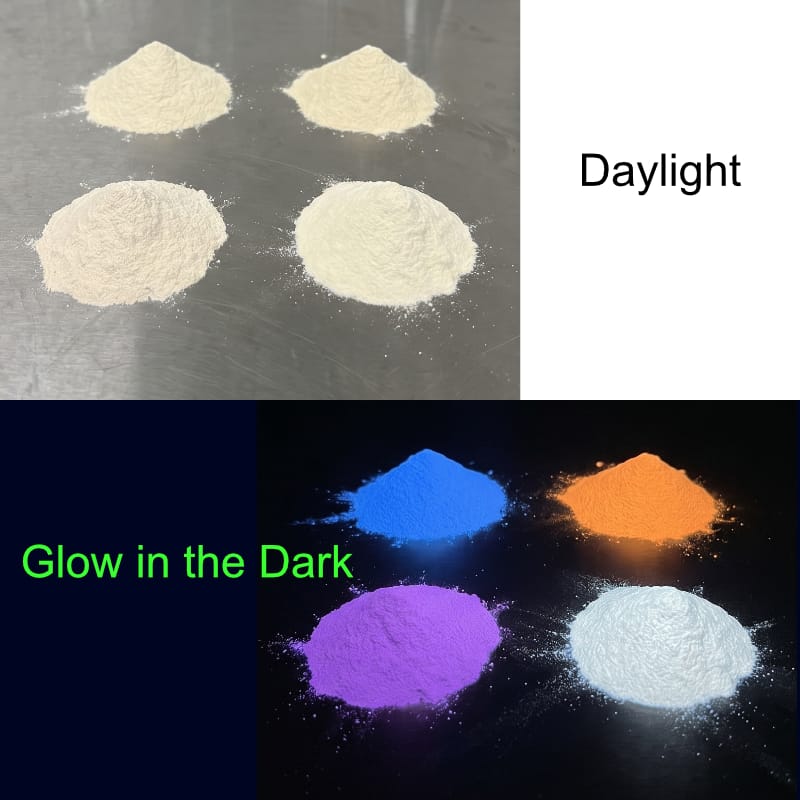
Glow pigments are available in a variety of colours, although not all colours glow with the same intensity.
The most common glow colours include:
- Green (brightest and longest-lasting)
- Aqua (blue-green)
- Blue
- Sky Blue
- Purple
- Yellow-Green
During daylight, pigments can also be formulated into coloured coatings, allowing designers to achieve attractive daytime appearances while still providing a glow effect after dark.
Green remains the industry standard for emergency signage, safety systems, and high-performance applications because it offers the highest brightness and longest glow duration.
Understanding how glow in the dark materials work is the first step in selecting the right product for your project. In the next section, we'll explore the different types of glow products available—including paints, pigments, powders, resins, tapes, and specialty coatings—and how to choose the best option for each application.
Choosing the Right Glow Product
Glow in the dark technology is available in many different forms, each designed for specific applications and industries. Whether you're creating a decorative feature wall, manufacturing plastic products, producing resin artwork, or installing safety signage, selecting the right glow product is essential for achieving the best performance, durability, and visual effect.
While all glow in the dark products rely on photoluminescent pigments, the carrier material—such as paint, resin, epoxy, tape, or plastic—determines where and how the product can be used. Understanding these differences will help you choose the most suitable solution for your project.
Glow Product Comparison
| Product | Best For | Typical Applications |
|---|---|---|
| Glow Paint | Walls & ceilings | Murals, feature walls, children's rooms, theatres |
| Glow Pigment | Manufacturing | Paint production, plastics, inks, coatings |
| Glow Powder | Resin | River tables, jewellery, crafts, art |
| Glow Epoxy | Floors | Garages, warehouses, countertops, industrial flooring |
| Glow Tape | Safety | Exit routes, stair nosings, hazard markings |
| Glow Spray Paint | DIY Projects | Decorations, bicycles, signs, small furniture |
| Glow Vinyl | Printing & Graphics | Labels, decals, promotional graphics, signage |
| Glow Masterbatch | Plastic Manufacturing | Injection moulding, extrusion, toys, consumer products |
Glow Paint
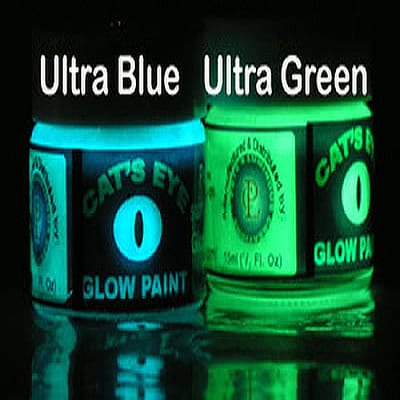
Glow paint is one of the most versatile glow products available and is ideal for decorating large surfaces. It is commonly used on walls, ceilings, murals, artwork, furniture, and architectural features where a smooth, durable finish is required.
Glow paint is available in both water-based and solvent-based formulations. Water-based paints are generally preferred for interior applications due to their low odour and easy cleanup, while solvent-based paints offer greater durability for demanding environments.
For maximum brightness, glow paint should be applied over a white primer or light-coloured surface. Multiple coats usually produce stronger and longer-lasting glow performance.
Best for:
- Feature walls
- Star ceilings
- Murals
- Decorative artwork
- Interior décor
Glow Pigment (Glow Powder)
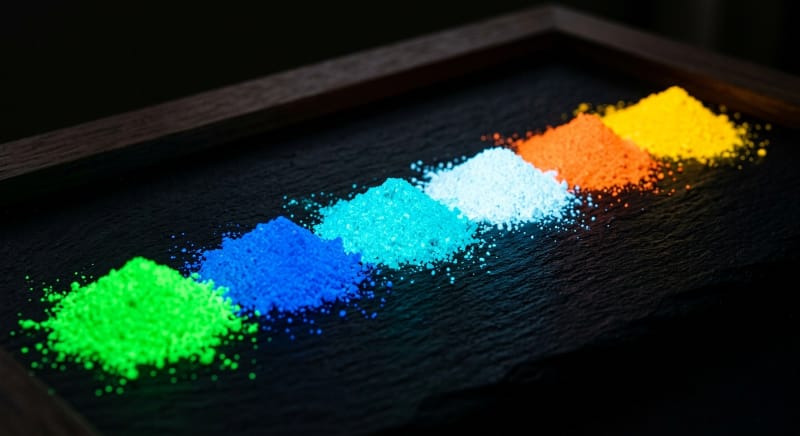
Glow pigment, also commonly known as glow powder, is the raw photoluminescent material used to manufacture a wide range of glow in the dark products. It can be mixed directly into paints, resins, inks, plastics, epoxy, rubber, silicone, ceramics, coatings, adhesives, and other transparent or translucent materials to create long-lasting glow effects.
Because glow pigment contains no binder, it offers maximum flexibility for both manufacturers and DIY users. It is available in various particle sizes, glow colours, and performance grades, allowing it to be customised for different applications ranging from industrial production to creative projects.
Whether used for manufacturing glow paint, casting resin jewellery, producing plastic products, or creating artistic effects, high-quality strontium aluminate glow pigment delivers exceptional brightness, long glow duration, and excellent durability.
Best For
- Paint manufacturing
- Epoxy and UV resin
- River tables and resin art
- Jewellery and decorative castings
- Industrial coatings
- Plastic manufacturing
- Printing inks
- DIY projects and crafts
- Research and product development
Glow Epoxy
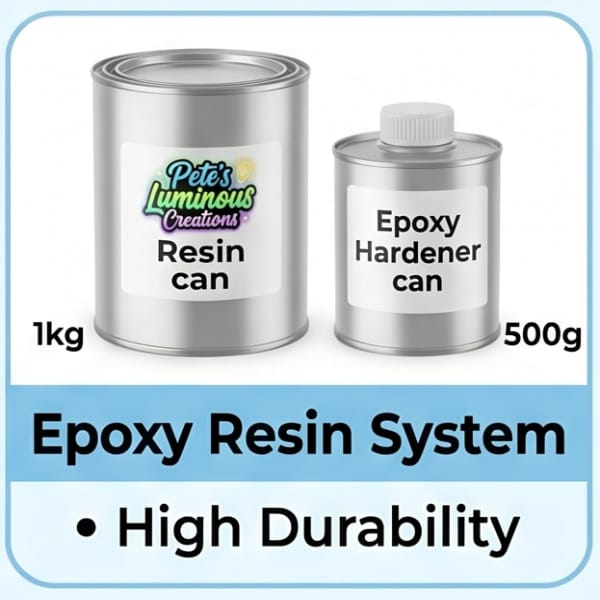
Glow epoxy combines photoluminescent pigments with high-performance epoxy systems to create durable glowing surfaces.
Unlike ordinary paint, epoxy forms a thick, highly wear-resistant coating capable of withstanding heavy foot traffic and industrial environments.
Glow epoxy is commonly used on warehouse floors, commercial buildings, garages, countertops, exhibition displays, museums, and decorative flooring installations.
Its excellent chemical resistance also makes it suitable for many industrial applications.
Best for:
- Garage floors
- Warehouse flooring
- Countertops
- Industrial coatings
- Decorative flooring
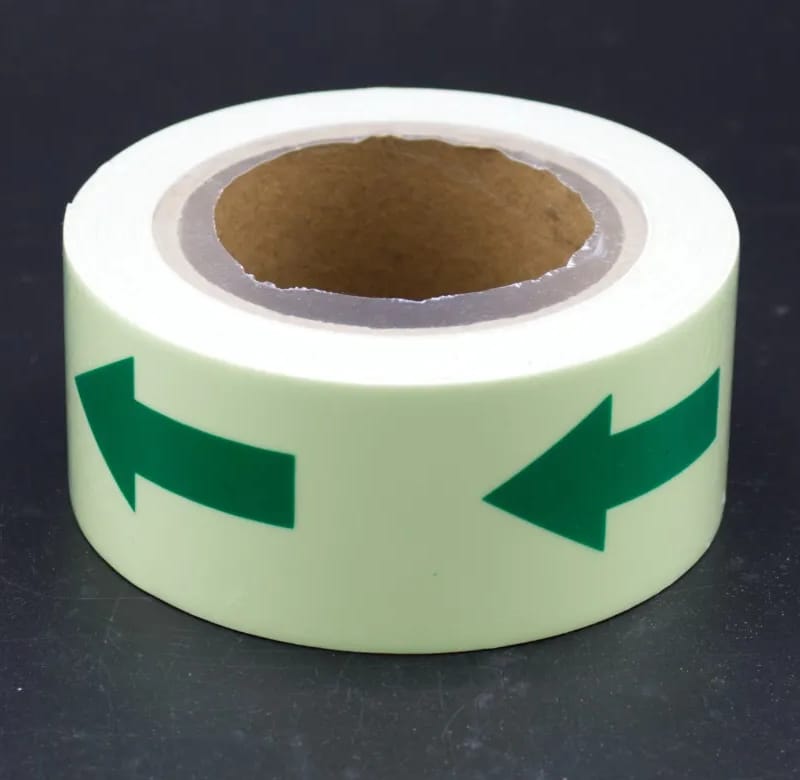
Glow Tape
Glow tape provides one of the easiest ways to improve visibility and safety without permanent installation.
Manufactured using durable photoluminescent films, glow tape charges under normal lighting and remains visible during power failures.
It is widely used to identify escape routes, emergency exits, stair edges, handrails, switches, and hazardous areas in commercial and public buildings.
Most glow tapes feature pressure-sensitive adhesive backing for quick installation onto clean surfaces.
Best for:
- Emergency exits
- Stair nosings
- Handrails
- Safety pathways
- Hazard identification
Glow Spray Paint
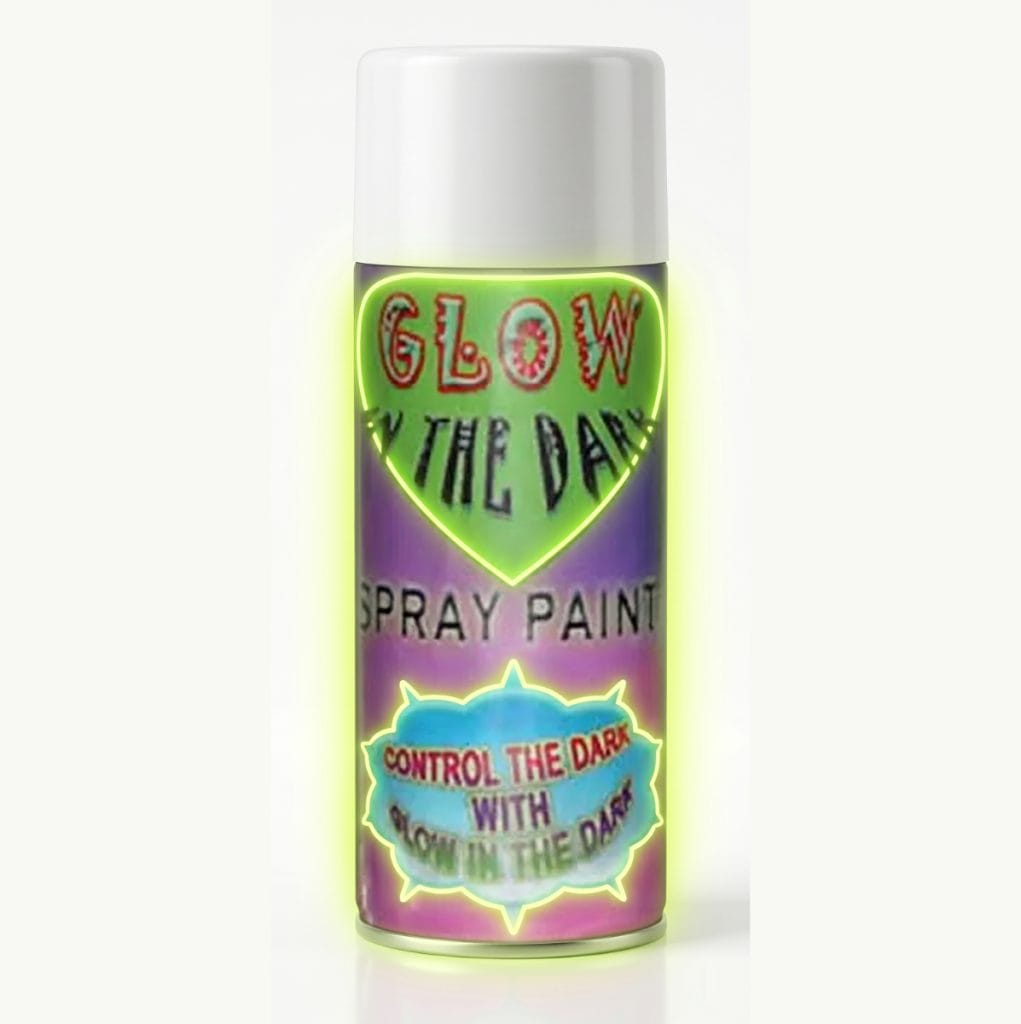
Glow spray paint offers a convenient solution for smaller DIY projects where brushes or rollers may not be practical.
It provides an even coating on irregular shapes and hard-to-reach areas while allowing hobbyists to quickly create glow effects on decorative items.
Typical projects include bicycles, helmets, flower pots, ornaments, sporting equipment, props, Halloween decorations, and temporary displays.
Because spray paints generally produce thinner coatings than brush-applied paints, several coats are often recommended for improved glow performance.
Best for:
- DIY projects
- Crafts
- Decorative objects
- Outdoor ornaments
- Small furniture
Glow Vinyl
Glow vinyl is commonly used in the sign-making and printing industries. It can be cut using plotters or digital cutting machines to produce custom graphics, lettering, logos, labels, and safety markings.
Glow vinyl is especially useful for businesses requiring durable, professionally finished signage without the need for illuminated electrical signs.
Many products are weather-resistant, making them suitable for both indoor and outdoor applications.
Best for:
- Signage
- Labels
- Window graphics
- Promotional decals
- Safety graphics

Glow Masterbatch Pellets
Glow masterbatch is a concentrated blend of photoluminescent pigments dispersed within a plastic carrier resin. It is designed for use in plastic manufacturing processes such as injection moulding, blow moulding, and extrusion.
By simply adding the appropriate percentage of masterbatch during production, manufacturers can produce glow-in-the-dark plastic products without manually mixing raw pigments.
Applications include toys, household products, electrical accessories, sporting goods, packaging components, promotional items, and industrial plastic parts.
Best for:
- Injection moulding
- Blow moulding
- Plastic extrusion
- Consumer products
- Industrial plastics

Which Glow Product Should You Choose?
The ideal glow product depends entirely on your project requirements. If you're decorating a bedroom wall or ceiling, glow paint provides the simplest solution. Resin artists will achieve the best results using glow powder, while manufacturers should select glow pigments or masterbatch for large-scale production. For safety applications, glow tape offers fast installation and reliable performance, while epoxy coatings provide exceptional durability for floors and heavy-use environments.
By understanding the strengths of each product, you can choose the most effective glow solution for your application. In the following sections, we'll explore these applications in greater detail, including recommended products, installation tips, and best practices for achieving long-lasting glow performance.
Application Guides
Glow-in-the-dark materials can be used for everything from decorative walls and resin projects to safety markings, stairways and outdoor applications. For a deeper look at specific projects, explore our Glow in the Dark Paint Guide, Glow in the Dark Concrete Guide and Glow in the Dark Resin Guide.
Glow in the Dark Walls
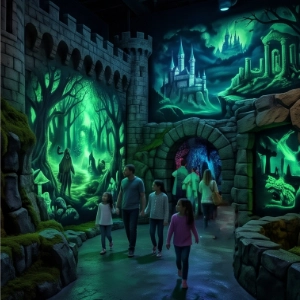
Transform bedrooms, feature walls, home theatres, hotels, museums and theme parks with glow in the dark wall paint. Learn how photoluminescent coatings create stunning decorative and immersive interiors.
Glow in the Dark Concrete

Discover how glow concrete enhances pathways, driveways, gardens, parks and landscape architecture using photoluminescent aggregates for safer and more attractive outdoor spaces.
Glow in the Dark Resin

Create stunning glow resin jewellery, river tables, coasters, clocks and artwork using premium glow powder and epoxy resin for beautiful day and night effects.
Glow in the Dark Epoxy

Explore glow epoxy flooring for homes, garages, warehouses and commercial spaces. Durable photoluminescent coatings improve safety while creating impressive illuminated surfaces.
Glow in the Dark Bowling Centres

See how glow in the dark bowling centres combine photoluminescent products with UV lighting to create immersive cosmic bowling experiences, themed décor and safer navigation.
Glow in the Dark Emergency Exit Systems
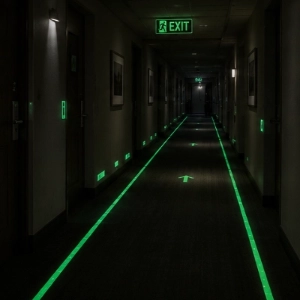
Learn how photoluminescent emergency exit systems improve evacuation safety using glow signs, floor markings, stair nosings and escape route guidance.
Glow in the Dark Safety Signs

Improve workplace and public safety with glow safety signs for warehouses, hospitals, schools, marine vessels and industrial facilities.
Glow in the Dark Stair Nosings

Increase stair safety with glow stair nosings that improve visibility, reduce slips and provide reliable emergency guidance during power failures.
Glow in the Dark Road Markings
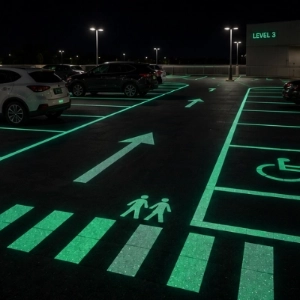
Discover glow road markings for parks, bicycle paths, resorts, parking areas and decorative pathways using long-lasting photoluminescent materials.