Beginner Guide to Special Effect Pigments (Glow, UV, Thermochromic & Photochromic)
Discover how glow-in-the-dark, UV reactive, thermochromic, and photochromic pigments work. Learn how to choose the right effect, apply it correctly, and avoid beginner mistakes.
🎨 OVERVIEW OF EFFECT TYPES
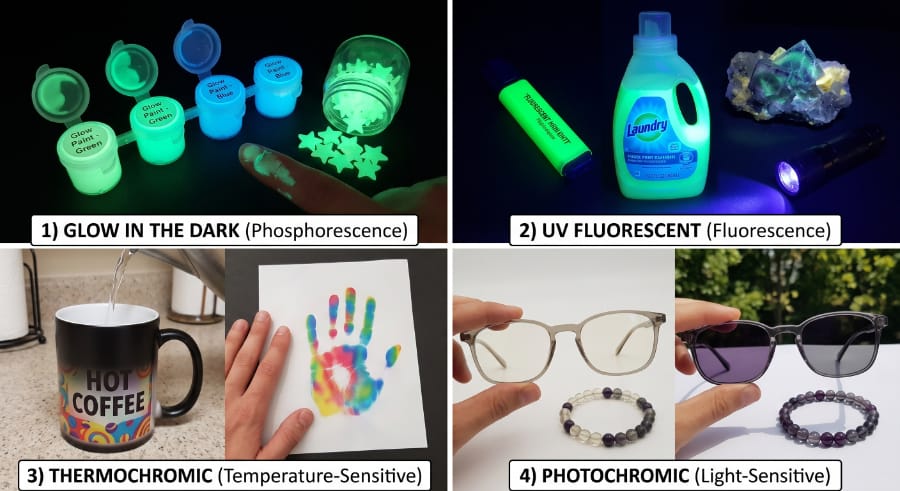
There are 4 main special-effect pigment types, each reacting to different triggers:
| Effect Type | Trigger | Visible When |
|---|---|---|
| Glow (Photoluminescent) | Light → Darkness | In the dark |
| UV Reactive | UV light | Under blacklight |
| Thermochromic | Heat / Cold | Temperature change |
| Photochromic | UV sunlight | Outdoor Sunlight |
Glow and UV Effects
For effects that glow or fluoresce under specific lighting conditions, see our Glow Powder and UV Fluorescent Powder ranges.
Other Special Effects
Special-effect pigments can react to different riggers, including light, UV exposure and temperature. Explore Thermochromic Powder for heat-activated effects and Photochromic Powder for sunlight-activated colour changes.
🌟 GLOW IN THE DARK (PHOTOLUMINESCENT)
- How It Works
- Key Traits
- Best Uses
- Beginner Tip
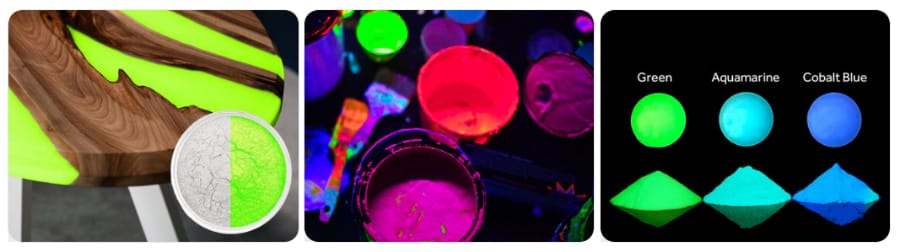
Absorbs light energy and releases it slowly in darkness.Add your content here...
- Bright glow after charging
- Long-lasting (hours)
- Rechargeable
- Safety markings
- Resin art
- Walls
- Pathways
Use high concentration + white base for strong glow.
🟣 UV REACTIVE / FLUORESCENT (BLACKLIGHT)
- How It Works
- Key Traits
- Best Uses
- Beginner Tip
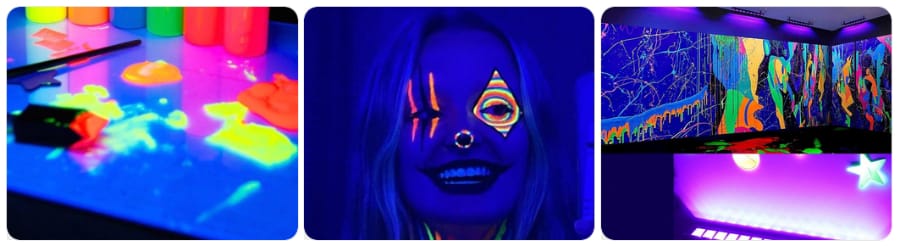
Reflects UV light instantly — no charging needed.
For a more detailed explanation of UV-reactive materials, see our UV Light Reactive vs UV Fluorescent Guide.
- Only visible under UV
- Very bright neon colors
- No afterglow
- Clubs / events
- Artwork
In Daylight, UV Reactive is White. UV Flourescent is colored.
🌡️ THERMOCHROMIC (HEAT REACTIVE)

- How It Works
- Key Traits
- Best Uses
- Beginner Tip
Changes color when temperature changes.
Thermochromic powder is one of the most useful special-effect pigments when you want colour to respond to temperature rather than light. See our Thermochromic Powder range for available options.
- Activated by heat or cold
- Temporary effect
- Reversible
- Mugs
- Interactive surfaces
- Hot surface warning
Works best on smooth surfaces with controlled temperature change.
☀️ PHOTOCHROMIC (SUNLIGHT REACTIVE)

- How It Works
- Key Traits
- Best Uses
- Beginner Tip
Changes color when exposed to UV (sunlight).
Unlike thermochromic pigments, photochromic materials respond primarily to light exposure. Our Photochromic Powder range is suitable for projects requiring a sunlight- or UV-activated colour change.
- Invisible/clear indoors
- Activates outdoors
- Reversible
- Outdoor coatings
- Hidden designs
- UV exposure indicators
Does NOT activate under normal or cloudy outdoors. Needs direct UV from sun or black light to activate.
🧪 MATERIALS & BASES

Common Bases:
- Epoxy resin (best protection)
- Acrylic medium
- Water based medium
- Clear Plastic masterbatch
Key Rule:
👉 Effects only work in transparent or semi-transparent mediums
⚗️ MIXING RATIO
| Effect Type | Powder Ratio | Base / Medium Ratio |
|---|---|---|
| Glow (Photoluminescent) | 25% to 30% | 70% to 75% |
| UV Reactive | 5% to 15% | 85% to 95% |
| Thermochromic | 5% to 15% | 85% to 95% |
| Photochromic | 5% to 15% | 85% to 95% |
❌ COMMON BEGINNER MISTAKES
- Mixing into opaque paint (kills effect)
- Expecting UV paint to glow in dark
- Using glow powder without charging
- Applying too thin layers
- Confusing photochromic vs thermochromic