Phosphorus Glow in the Dark vs Radium Glow Explained Safely
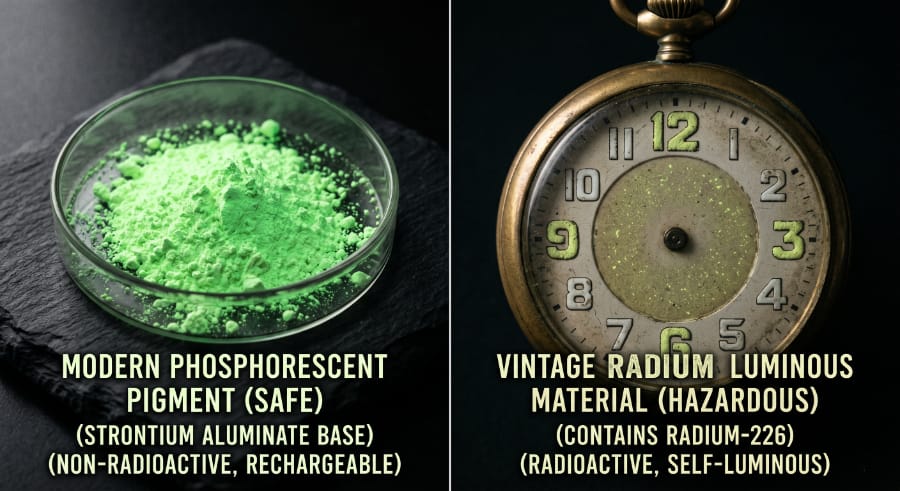
Many people confuse glow in the dark products with radioactive radium. This guide explains the difference between phosphorus-based glow materials and radium glow, how each works, safety concerns, glow duration, and why modern glow products are completely different from old radioactive luminous paints.
Learn the real difference between phosphorus glow in the dark materials and radioactive radium glow. Discover how modern glow products work, why radium was dangerous, and which glow materials are safest today.
Phosphorus Glow in the Dark vs Radium Glow: What’s the Difference?
Glow in the dark materials have fascinated people for decades. From glowing stars on bedroom ceilings to emergency exit signs and luminous watch dials, glowing products are everywhere. However, one question still appears frequently:
Is glow in the dark the same as radium?
The short answer is no.
Modern glow in the dark products are completely different from historical radium-based luminous paints. Unfortunately, many people still associate glowing materials with radioactivity because of old stories involving radium watches and antique luminous items.
In this guide, we explain:
- The difference between phosphorus glow and radium glow
- How modern glow in the dark materials work
- Why radium was dangerous
- Whether glow in the dark products are safe
- How long each type glows
- Why modern glow materials replaced radium
What Is Glow in the Dark Material?
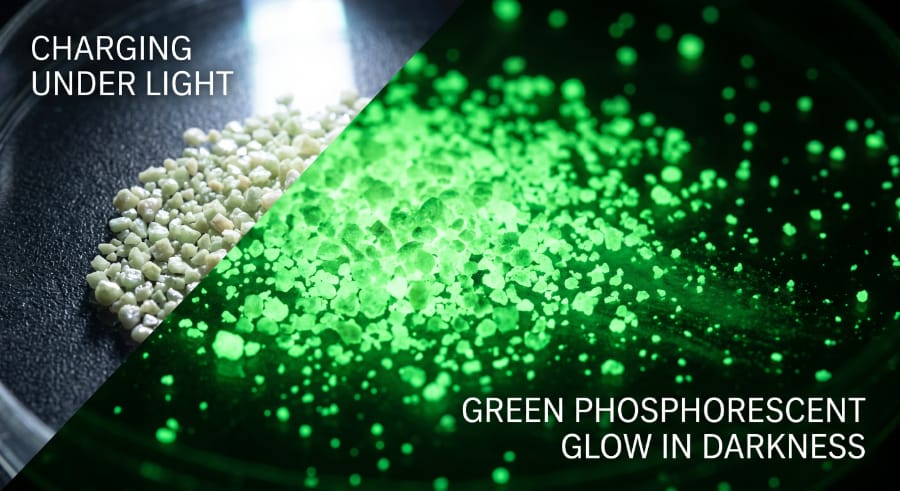
Glow in the dark materials use a process called phosphorescence. These materials absorb light energy from surrounding light sources and slowly release that energy in darkness.
Modern glow products typically contain:
- Strontium aluminate pigments
- Rare earth activators
- Non-radioactive phosphorescent compounds
These materials are completely different from radioactive luminous materials used many decades ago.
The glow works by:
- Absorbing light energy
- Storing that energy temporarily
- Releasing the energy slowly as visible light
This is why glow products need to be “charged” under light before glowing brightly.
What Is Radium Glow?
Radium glow works very differently.
Radium is a naturally radioactive element discovered in the late 1800s. In the early 20th century, manufacturers mixed radium with phosphorescent materials to create self-glowing paint.
Unlike modern glow products, radium-based paints did not need external charging from light.
Instead:
- The radioactive radium continuously emitted radiation
- That radiation excited nearby phosphorescent compounds
- The material glowed constantly day and night
This made radium useful for:
- Military instruments
- Aircraft gauges
- Clock dials
- Watches
- Compasses
At the time, the dangers of radiation exposure were not fully understood.
The Biggest Difference Between Glow in the Dark and Radium
The main difference is simple:
| Modern Glow in the Dark | Radium Glow |
|---|---|
| Non-radioactive | Radioactive |
| Needs light charging | Self-glows continuously |
| Safe for general use | Dangerous with prolonged exposure |
| Uses phosphorescent pigments | Uses radioactive decay |
| Used in modern products | Mostly discontinued |
Modern glow products are designed for safety and everyday use.
Radium glow products are now considered hazardous collectibles and are no longer used in consumer glow products.
Does Modern Glow in the Dark Contain Phosphorus?
This is another common misconception.
People often say “phosphorus glow,” but most modern glow in the dark products actually use strontium aluminate, not elemental phosphorus.
The confusion comes from the scientific term phosphorescence, which describes the glowing effect.
Modern glow pigments are:
- Non-radioactive
- Non-toxic in normal use
- Far brighter than older glow technologies
- Longer lasting
Older glow materials used zinc sulfide, which glowed less brightly and faded faster.
Today, strontium aluminate is the industry standard for high-performance glow products.

Prompt:
Side-by-side comparison of zinc sulfide glow powder and strontium aluminate glow powder, modern glow pigment much brighter and longer lasting, scientific comparison setup, dark background, realistic texture detail
How Does Modern Glow in the Dark Work?
Modern glow materials work through stored light energy.
When exposed to:
- Sunlight
- UV light
- LED lighting
- Fluorescent lighting
the phosphorescent particles absorb photons and store energy temporarily.
Once the surrounding environment becomes dark, the stored energy is released gradually as visible glow.
The brighter the charging light source, the stronger the glow effect.
UV light is especially effective because phosphorescent pigments respond strongly to ultraviolet wavelengths.
How Long Does Glow in the Dark Last?
Modern glow materials can glow for many hours after charging.
High-quality strontium aluminate pigments can:
- Glow visibly for 8 to 12 hours
- Recharge thousands of times
- Maintain performance for many years
The glow is brightest immediately after charging and gradually fades over time.
Factors affecting glow duration include:
- Pigment quality
- Pigment concentration
- Charging light intensity
- Charging duration
- Ambient darkness
Professional glow products use high pigment concentrations for maximum brightness and longevity.
Modern phosphorescent materials provide a safer alternative to historical radioactive glow technologies. For modern non-radioactive glow applications, see our Glow Powder and Glow Paint ranges.
How Long Did Radium Glow Last?
Radium glow behaved differently.
Because radium continuously emitted radiation, it constantly energized the phosphorescent material around it.
This meant radium items could glow continuously for years without external charging.
However, the phosphorescent compounds themselves eventually degraded, reducing brightness over time.
Although radium has a very long radioactive half-life, old radium items often appear dim today because the luminous phosphor coating deteriorated.

Why Was Radium Dangerous?
Radium emits ionizing radiation.
Long-term exposure to radioactive materials can damage living tissue and increase cancer risk.
One of the most famous historical examples involved the “Radium Girls” in the early 1900s.
Factory workers painting luminous watch dials were instructed to shape paintbrush tips using their mouths. This caused repeated ingestion of radioactive radium paint.
Many workers later developed severe health problems including:
- Bone deterioration
- Radiation sickness
- Cancer
- Jaw damage
These tragedies helped establish modern workplace safety regulations and increased awareness of radiation hazards.
Because of these risks, radium was gradually phased out of consumer products.
Are Antique Radium Watches Safe?
Collectors often ask whether antique radium watches are dangerous.
Small amounts of intact radium paint generally pose low immediate risk when left sealed and undisturbed. However, damaged or deteriorating radium paint can release radioactive dust particles.
Potential risks increase if:
- The paint flakes
- Dust becomes airborne
- The item is opened or scraped
- Large collections are stored in enclosed spaces
For this reason, antique radium items should be handled carefully and kept away from children.
Many collectors use protective storage methods for vintage luminous items.
What Replaced Radium?
Safer alternatives gradually replaced radium over the decades.
These included:
- Tritium
- Zinc sulfide
- Strontium aluminate
Today, most glow in the dark products use strontium aluminate because it offers:
- Excellent brightness
- Long glow duration
- Non-radioactive performance
- High safety levels
Tritium is still used in some specialty applications such as military equipment and self-illuminating exit signs, but consumer glow products typically rely on phosphorescent pigments instead.
Is Glow in the Dark Paint Safe?
Modern glow in the dark paint is generally considered safe when used properly.
High-quality glow paints:
- Do not contain radium
- Are non-radioactive
- Do not emit harmful radiation
- Are safe for decorative use
Glow paints are commonly used for:
- Art projects
- Safety markings
- Signs
- Fishing lures
- Costumes
- Decorations
- Resin crafts
- Automotive accents
As with any paint product, normal precautions should still be followed:
- Avoid inhaling powder
- Keep away from eyes
- Use in ventilated areas
- Keep out of reach of small children

Why Do People Still Think Glow in the Dark Is Radioactive?
The misconception largely comes from history and popular culture.
For many decades:
- Glowing clocks contained radium
- Military instruments used radioactive paint
- Science fiction associated glowing materials with radiation
As a result, many people still assume all glowing products are radioactive.
In reality, modern glow products are entirely different technologies.
Most glow products sold today contain no radioactive substances whatsoever.
Which Is Better: Glow Pigment or Radium?
For modern applications, phosphorescent glow pigments are far superior.
Modern glow materials offer:
- Safer handling
- Better brightness
- More color options
- Longer glow duration
- No radioactive hazards
- Lower manufacturing costs
Radium is no longer practical or acceptable for general consumer products.
Modern phosphorescent pigments outperform old luminous paints in nearly every category except continuous self-powered illumination.
Common Uses for Modern Glow in the Dark Materials
Glow in the dark pigments are used in many industries today.
Popular applications include:
Safety and Emergency Products
- Exit signs
- Stair markings
- Safety pathways
- Emergency equipment
Decorative Uses
- Wall art
- Glow ceilings
- Party decorations
- Event displays
Industrial Uses
- Marine equipment
- Aerospace markings
- Outdoor safety markers
Consumer Products
- Watches
- Toys
- Fishing tackle
- Phone accessories
- Shoes
- Clothing prints
Glow technology continues improving as manufacturers develop brighter and longer-lasting phosphorescent materials.
Applications
Modern photoluminescent materials can be used for decorative, artistic and safety applications. See our Ultimate Glow in the Dark Applications Guide for examples.
Safety Applications
Photoluminescent materials are also widely used for route identification and low-light safety applications. See our Complete Guide on Glow in the Dark Emergency Exit Systems for more information.
UV Light vs Glow in the Dark
Some people confuse UV reactive materials with glow in the dark materials.
They are not the same.
Glow in the Dark
- Stores light energy
- Continues glowing in darkness
- Works after light source is removed
UV Reactive
- Only glows while UV light is present
- Stops glowing immediately when UV light turns off
Glow products often charge faster under UV light, which is why blacklights are commonly used with phosphorescent materials.

Can Glow in the Dark Materials Wear Out?
Eventually, all phosphorescent materials experience some performance decline over many years.
However, high-quality glow pigments can remain effective for decades under normal conditions.
Factors that may reduce performance include:
- Constant outdoor UV exposure
- Moisture damage
- Poor storage conditions
- Chemical contamination
Premium glow pigments maintain brightness far longer than older luminous materials.
Environmental Benefits of Modern Glow Materials
Modern phosphorescent products are also more environmentally friendly than radioactive luminous paints.
Benefits include:
- No radioactive waste
- Lower disposal concerns
- Safer manufacturing
- Reduced environmental contamination
This makes them suitable for modern commercial and consumer applications worldwide.
Final Thoughts: Glow in the Dark vs Radium
Modern glow in the dark products are safe, non-radioactive, and designed for everyday use.
Radium glow belongs mostly to history and antique collectibles.
While both create visible glow effects, the science behind them is completely different:
- Modern glow products store and release light energy safely
- Radium glow relied on radioactive decay
Today’s phosphorescent pigments are brighter, safer, and more practical than historical radium paints ever were.
If you are purchasing modern glow powders, paints, or glow products from reputable suppliers, you are using advanced phosphorescent technology — not radioactive materials.
Frequently Asked Questions
Is glow in the dark radioactive?
No. Modern glow in the dark materials are typically non-radioactive phosphorescent pigments.
Does glow in the dark contain radium?
No. Modern glow products do not use radium.
Why did old watches glow forever?
Many vintage watches used radioactive radium paint that continuously energized the luminous material.
Is radium still used today?
Radium is rarely used in consumer products today due to safety concerns.
What is modern glow in the dark made from?
Most modern glow products use strontium aluminate phosphorescent pigments.
Is glow in the dark paint safe for walls?
Yes, quality glow paints are generally safe for decorative applications when used as directed.
What charges glow in the dark products best?
UV light and direct sunlight provide the strongest charging effect for phosphorescent materials.