How Glow in the Dark Road Markings Work: Materials, Application & Lifespan
Glow-in-the-dark road markings use photoluminescent materials that absorb natural or artificial light during the day and slowly release it in darkness. These systems improve nighttime visibility without relying entirely on powered lighting.
Most modern glow road systems use strontium aluminate pigments because they provide:
- Brighter glow intensity
- Longer glow duration
- Better weather resistance
- Improved outdoor durability
The glow effect is most visible in:
- Rural roads
- Bicycle lanes
- Pedestrian walkways
- Parks and pathways
- Emergency escape routes
- Low-light industrial areas
While these systems can improve visibility at night, they are typically designed as a supplemental visibility aid rather than a replacement for standard road lighting or reflective traffic systems.
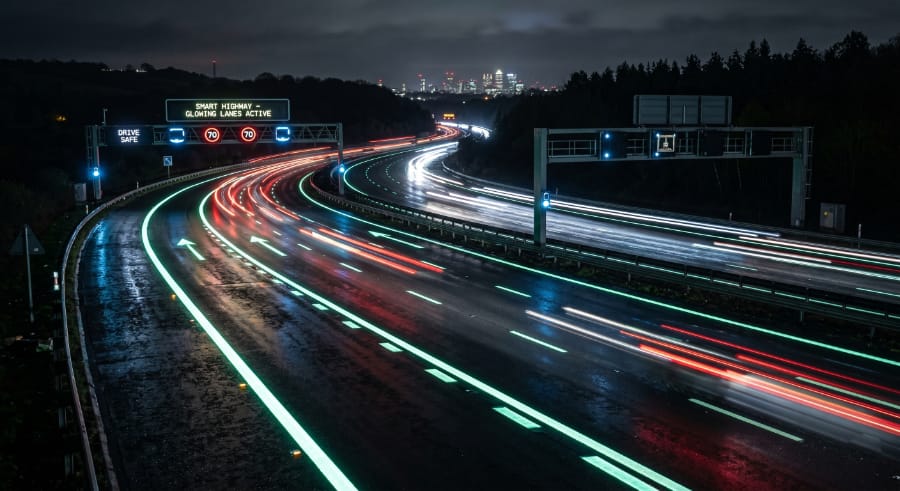
Glow in the dark road markings are an innovative road safety solution designed to improve visibility during nighttime and low-light conditions. By using photoluminescent materials that absorb light energy during the day and emit a visible glow after dark, these markings can help guide drivers, cyclists, and pedestrians more safely.
- This guide explains:
- How glow in the dark road markings work
- Materials required
- Step-by-step application process
- Durability and lifespan
- Safety considerations
- Real-world applications
- Maintenance requirements
As smart infrastructure and sustainable lighting technologies continue to evolve, glow road markings are gaining attention for their ability to enhance safety while reducing reliance on powered lighting systems.
What Are Glow in the Dark Road Markings?
Glow in the dark road markings are luminescent surface coatings applied to roads, pathways, cycle lanes, pedestrian zones, and safety areas.
These markings use photoluminescent pigments, typically based on strontium aluminate technology, which absorb ambient light and release it slowly in darkness.
Unlike reflective road paint that only works when illuminated by vehicle headlights, photoluminescent markings continue glowing independently after being charged by:
- Sunlight
- Street lighting
- Vehicle lighting
- Artificial lighting systems
This creates continuous visual guidance even in low-light environments.
3 Ways Glow-in-the-Dark Roads and Highways Are Created
There are several ways to create glow-in-the-dark road surfaces and markings. Each method is designed for different environments, traffic conditions, and durability requirements.
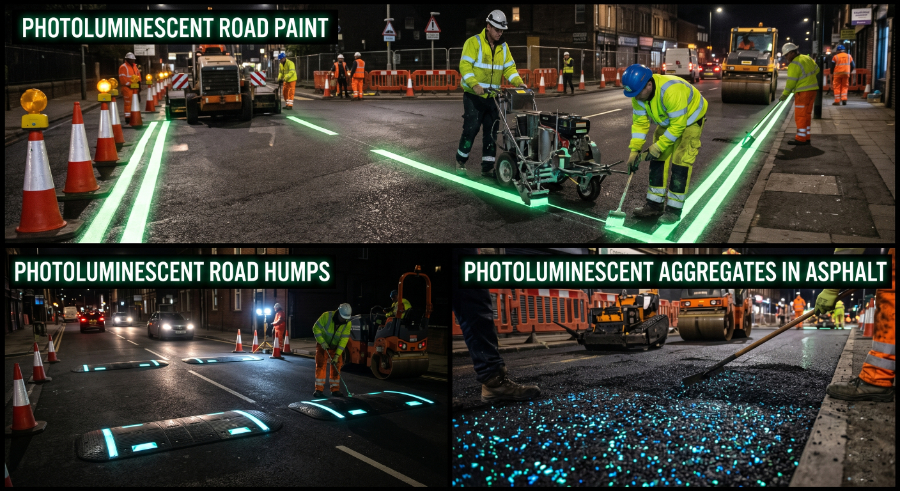
Photoluminescent Road Paint
This is the most common and practical method for creating glow-in-the-dark lines, symbols, pathways, and lane markings.
Photoluminescent pigment is mixed into a clear binder or road-marking medium and applied directly onto the surface.
Common Uses
- Bicycle lane markings
- Pedestrian pathways
- Parking guides
- Safety borders
- Decorative road effects
- Private roads and low-speed areas
Advantages
- Easier to apply
- Lower installation cost
- Can be reapplied or repaired
- Suitable for custom markings and patterns
Limitations
- Heavy traffic can reduce lifespan
- Performance depends on light charging conditions
- Requires proper UV-stable binders for outdoor durability
Photoluminescent Road Markers and Embedded Systems
Instead of coating large surfaces, glow materials can also be integrated into:
- Raised pavement markers
- Road studs
- Embedded lane markers
- Directional symbols
- Edge guidance systems
These systems are commonly used where:
- High visibility is needed
- Weather conditions are challenging
- Extra lane guidance is required
- Full road coating is unnecessary
Embedded systems are generally more durable than painted surfaces because the glow material receives additional physical protection.
Photoluminescent Aggregates in Asphalt or Concrete
In advanced installations, glow aggregates or coated stones are mixed directly into asphalt or concrete during construction.
This method can create large-scale glowing surfaces with a more integrated appearance.
Typical Applications
- Public infrastructure projects
- Urban design features
- Architectural pathways
- Experimental smart-road systems
Considerations
- Higher installation cost
- Specialized material preparation required
- More difficult repairs
- Glow intensity may vary depending on aggregate exposure
Benefits of Glow in the Dark Road Markings
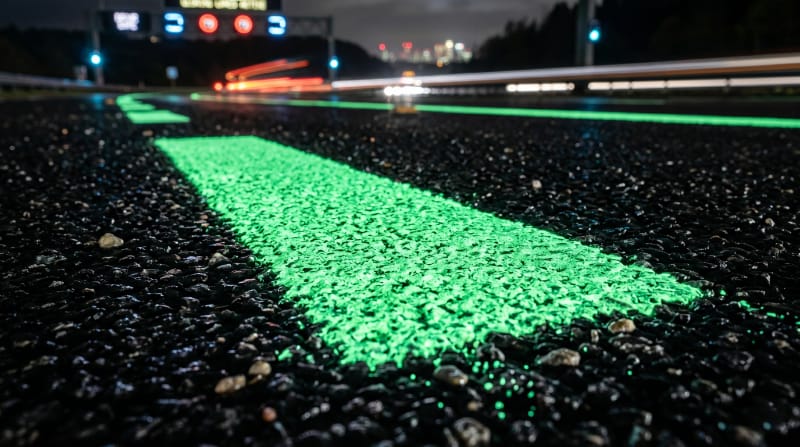
Improved Night Visibility
One of the biggest advantages is increased visibility during darkness.
Glow markings can:
- Highlight lane boundaries
- Improve edge visibility
- Guide drivers through curves
- Improve pedestrian awareness
- Reduce navigation confusion
This is especially useful in:
- Rural roads
- Low-light pathways
- Bicycle lanes
- Emergency routes
- Tunnels
- Parks and recreational areas
Reduced Energy Consumption
Traditional illuminated road systems require electricity and infrastructure maintenance.
Photoluminescent markings work passively after charging from natural or artificial light sources.
This may reduce:
- Energy costs
- Lighting infrastructure needs
- Maintenance complexity
- Environmental impact
Enhanced Safety During Power Failures
Glow markings continue functioning during blackouts or lighting failures.
This makes them valuable for:
- Emergency escape pathways
- Safety exits
- Disaster preparedness routes
- Critical infrastructure zones
Sustainable Smart Infrastructure
Glow road systems align well with modern smart-city initiatives focused on:
Reduced light pollution
- Sustainability
- Energy efficiency
- Safer urban environments
- Reduced light pollution
Main Materials Used
1. Photoluminescent Pigment
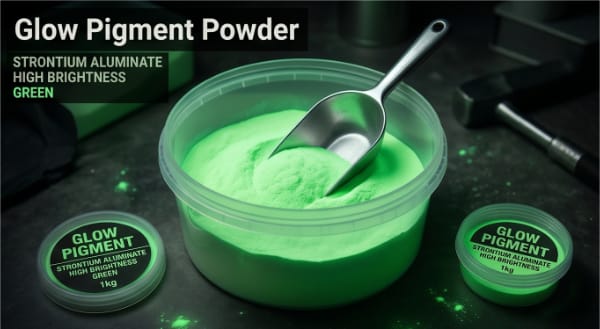
The core glowing component is the photoluminescent pigment.
Common Pigment Type
Most modern systems use:
- Strontium aluminate pigments
These pigments are preferred because they provide:
- High brightness
- Long afterglow duration
- Better durability
- Non-radioactive performance
Choosing the Right Photoluminescent Pigment
Not all glow powders are suitable for road marking applications. Outdoor environments require pigments with strong UV resistance, weather durability, and long afterglow performance.
For best results:
- Use strontium aluminate pigments instead of zinc sulfide
- Choose larger particle sizes for stronger visibility
- Select outdoor-grade pigments with UV stability
- Use colors with high brightness performance, especially green or aqua
Green glow pigments are commonly preferred because the human eye detects green wavelengths more efficiently in darkness.
Common Glow Colors
Most effective colors include:
- Green
- Aqua blue
- Blue-green
Green is usually preferred because the human eye detects green wavelengths most efficiently at night.
2. Binder or Resin System
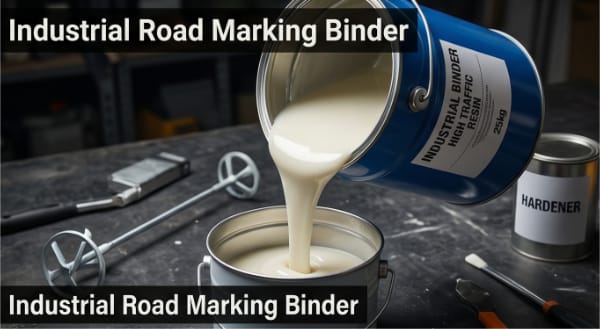
The binder holds the pigment onto the road surface.
Common binders include:
- Epoxy resin
- Polyurethane
- Acrylic systems
- Industrial road marking binders
The binder must be:
- UV resistant
- Weather resistant
- Traffic durable
- Chemically stable
3. Anti-Slip Additives

Safety is critical for road surfaces.
Anti-slip materials are added to maintain traction.
Common additives:
- Silica sand
- Aluminum oxide
- Glass beads
- Ceramic grit
4. Surface Primer
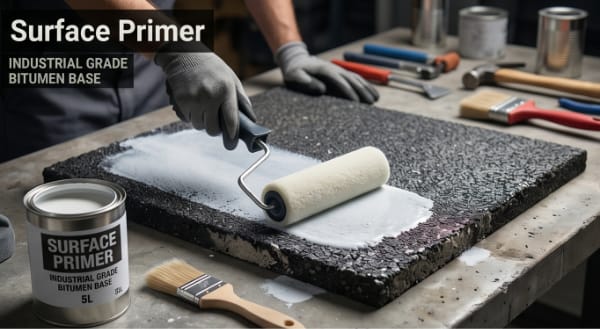
A primer improves adhesion between the road surface and luminescent coating.
Primers are especially important on:
- Concrete
- Sealed asphalt
- Smooth industrial flooring
Surface Preparation and Safety Considerations
Proper surface preparation is critical for adhesion, durability, and long-term glow performance.
Before application:
- Remove dirt, oil, grease, and loose debris
- Ensure the surface is completely dry
- Repair damaged asphalt or concrete areas
- Apply compatible primers when required
For road and pathway safety, anti-slip additives are strongly recommended.
Common anti-slip materials include:
- Glass beads
- Silica sand
- Aluminum oxide
These additives help maintain traction, especially in wet outdoor environments.
For high-traffic applications, professional road-marking binders and UV-resistant topcoats may also be necessary.
Step-by-Step Application Process

Step 1: Surface Preparation
Proper surface preparation is essential for long-term durability.
Cleaning
Remove:
- Dirt
- Oil
- Dust
- Loose debris
- Moisture
- Existing unstable coatings
Cleaning methods may include:
- Pressure washing
- Grinding
- Scrubbing
- Degreasing
Drying
The surface must be completely dry before application.
Moisture can reduce adhesion and coating performance.
Step 2: Applying the Primer
Apply a compatible primer evenly across the target area.
This helps:
- Improve bonding
- Increase durability
- Reduce coating failure
- Improve longevity
Allow curing according to manufacturer recommendations.
Step 3: Mixing the Luminescent Coating
Photoluminescent pigment is mixed into the clear binder system.
Typical ratios vary depending on:
- Desired brightness
- Application thickness
- Binder type
- Surface conditions
Industrial systems often use high pigment loading to maximize nighttime visibility.
Check out the Glow Paint Guide for Mixing Ratios
Step 4: Application of Glow Markings
Application methods include:
- Roller coating
- Spray systems
- Stencil application
- Brush detailing
- Thermoplastic systems
Common Marking Types
- Lane lines
- Path edges
- Bicycle lanes
- Symbols
- Directional arrows
- Hazard zones
The coating should be applied evenly to maintain consistent glow intensity.
Step 5: Curing
The coating must fully cure before exposure to traffic.
Depending on the resin system, curing may take:
- Several hours
- 24 hours
- Up to 72 hours for full hardness
Environmental factors such as humidity and temperature affect curing speed.
Step 6: Inspection and Quality Control
Inspect for:
- Uneven thickness
- Missed areas
- Poor adhesion
- Surface contamination
- Reduced skid resistance
Touch-up work may be required before final use.
Lifespan of Glow in the Dark Road Markings
The durability of luminescent road markings depends on several factors.
Key Factors Affecting Lifespan
The lifespan of glow-in-the-dark road systems depends on:
- Traffic volume
- Surface preparation quality
- UV exposure
- Weather conditions
- Binder quality
- Maintenance frequency
In lower-traffic environments, properly installed systems may last several years before requiring significant refurbishment.
However, heavy vehicle traffic, standing water, snow removal equipment, and abrasive debris can reduce the lifespan of painted glow coatings.
UV Exposure
Continuous sunlight exposure can slowly degrade certain binder systems.
Weather Conditions
Environmental stress affects durability:
- Rain
- Heat
- Snow
- Humidity
- Freeze-thaw cycles
Material Quality
Higher-quality pigments and industrial binders significantly improve longevity.
Typical Lifespan Expectations
Well-formulated systems may last:
- 3 to 7 years in moderate traffic conditions
- Longer in protected pedestrian areas
- Shorter in heavy vehicle traffic zones
Periodic maintenance can extend operational life.
Maintenance Requirements
Cleaning
Remove:
- Dirt buildup
- Oil residue
- Road grime
- Organic growth
Contaminants can block glow visibility.
Inspection
Inspect regularly for:
- Surface wear
- Cracking
- Reduced brightness
- Loss of skid resistance
Reapplication
In heavily used areas, periodic recoating may be required.
Limitations of Glow Road Markings
Despite their benefits, glow markings also have limitations.
Brightness Duration
Glow intensity gradually decreases overnight after charging.
Higher Initial Cost
Photoluminescent systems can cost more than standard paint initially.
Wear and Abrasion
Heavy traffic accelerates surface degradation.
Surface Compatibility
Not all road surfaces perform equally well with luminescent coatings.
Real-World Applications
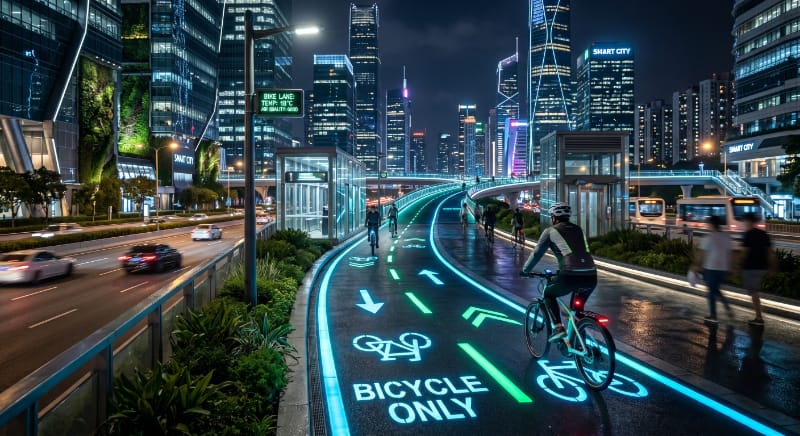
- Bicycle Lanes
- Pedestrian Walkways
- Emergency Routes
- Industrial Facilities
Glow lane markings are increasingly used in bicycle infrastructure to improve nighttime guidance and rider safety.
Parks, pathways, and public spaces benefit from improved nighttime visibility without excessive lighting.
Glow markings can assist evacuation and emergency navigation during low-visibility situations.
Factories and warehouses use luminescent safety markings for:
- Walkways
- Hazard zones
- Exit paths
- Equipment boundaries
Future of Luminescent Road Technology
Glow infrastructure technology continues improving.
Emerging developments include:
- Smart highway systems
- Enhanced long-duration pigments
- Solar-assisted charging systems
- Hybrid reflective-luminescent coatings
- Sustainable urban infrastructure materials
As materials become more advanced, glow road systems may play a larger role in future transportation safety.
Real-World Testing and Practical Limitations
Glow-in-the-dark road technologies have been tested in multiple countries as part of experimental and safety-focused infrastructure projects.
Some pilot programs demonstrated improved nighttime visibility in low-light environments, particularly for bicycle lanes and pedestrian pathways.
However, real-world testing has also highlighted several challenges:
- Moisture can reduce glow visibility
- Dirt buildup affects charging efficiency
- Heavy traffic increases surface wear
- Long-term outdoor UV exposure can gradually reduce performance
Because of these factors, glow road systems are most effective when used as:
- Supplemental safety guidance
- Decorative infrastructure features
- Low-speed visibility aids
- Pathway and lane enhancement systems
Rather than as a complete replacement for conventional roadway lighting and reflective traffic systems.
Conclusion
Glow-in-the-dark road markings and photoluminescent infrastructure systems offer an innovative way to improve nighttime visibility while adding a unique visual effect to roads, pathways, and public spaces.
From painted lane markings to embedded aggregates and illuminated guidance systems, these technologies can be adapted for a wide range of applications.
For best results, successful installations depend on:
- High-quality photoluminescent materials
- Proper surface preparation
- UV-resistant binders
- Correct mixing ratios
- Ongoing maintenance
While glow road systems are not a complete replacement for conventional road lighting, they can significantly improve visibility and create safer, more visually distinctive environments in low-light conditions.
Frequently Asked Questions
How do glow in the dark road markings work?
They absorb light energy during the day and slowly release it as visible glow in darkness using photoluminescent pigments.
Are glow road markings reflective?
They can be combined with reflective materials, but photoluminescent markings glow independently after charging.
What pigment is used in glow road markings?
Most modern systems use strontium aluminate photoluminescent pigment because of its brightness and long afterglow.
How long do glow in the dark road markings last?
Depending on traffic and environmental conditions, they may last between 3 and 7 years.
Are glow road markings safe for vehicles?
Yes. Properly formulated systems include anti-slip additives to maintain traction and road safety.
Can glow road markings be used outdoors?
Yes. Industrial-grade systems are specifically designed for outdoor weather exposure and traffic conditions.