Glow in the Dark Staircase Nosing – Complete Safety & Installation Guide
Introduction
Power failures, smoke-filled stairwells, and low-light conditions can quickly turn ordinary stairs into dangerous hazards. Glow in the dark staircase nosing provides a reliable, non-electric safety solution that improves stair visibility during emergencies and nighttime conditions.
Modern photoluminescent stair nosing absorbs ambient light throughout the day and emits a bright glow when darkness occurs suddenly. Widely used in commercial buildings, industrial facilities, theaters, hospitals, hotels, transit stations, and residential properties, these luminous stair edge systems help reduce trips, falls, and evacuation risks.
In this guide, we explore how glow stair nosing works, the latest 2025 safety standards, installation methods, materials, applications, and how to choose the best photoluminescent stair strips for your project.
What is Glow in the Dark Staircase Nosing?

Glow in the dark staircase nosing is a stair-edge safety product designed to improve visibility in darkness or emergency conditions.
These products are typically made from:
- Aluminum profiles
- Anti-slip stair nosing
- Photoluminescent glow strips
- Durable industrial-grade coatings
The glow effect comes from photoluminescent pigments that absorb surrounding light and slowly release stored energy in darkness without requiring electricity or batteries.
Unlike LED emergency lighting systems, photoluminescent stair nosing:
- Requires no wiring
- Needs minimal maintenance
- Continues functioning during total power failure
- Works automatically when lights go out
Modern glow stair nosing can remain visible for several hours after sufficient light exposure.
How Photoluminescent Stair Nosing Works
Photoluminescent materials work by absorbing energy from:
- Sunlight
- LED lighting
- Fluorescent lighting
- Ambient indoor lighting
Once darkness occurs, the stored energy is released as visible glow illumination.
The Process:
- Exposure to light charges the material
- Energy is stored within photoluminescent pigments
- The material glows when surrounding light disappears
- Glow gradually fades over time until recharged
High-quality stair nosing products can glow brightly for 6–10 hours depending on:
- Light exposure duration
- Pigment quality
- Environmental conditions
- Material thickness
Why Glow Staircase Nosing is Important
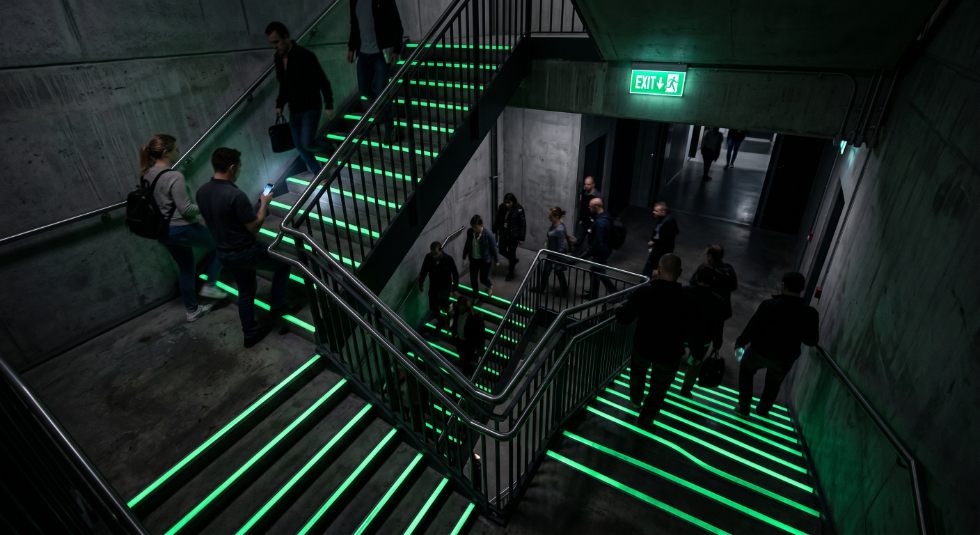
Staircases become significantly more dangerous during:
- Power outages
- Fire emergencies
- Smoke-filled evacuations
- Low-light conditions
- Nighttime operation
Photoluminescent stair nosing helps:
- Clearly identify stair edges
- Reduce slips and falls
- Improve evacuation speed
- Assist emergency navigation
- Maintain visibility without electricity
These systems are especially valuable in:
- High-rise buildings
- Hotels
- Hospitals
- Schools
- Industrial facilities
- Public transportation hubs
- Warehouses
- Residential staircases
Types of Glow in the Dark Stair Nosing
Flat Aluminum Stair Strips
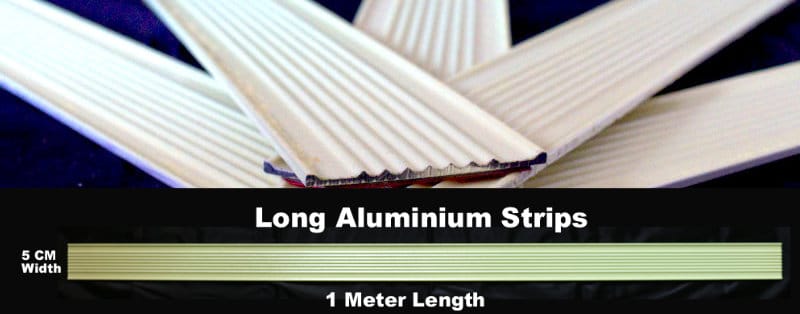
Flat-profile aluminum strips are mounted directly onto stair surfaces.
Benefits:
- Simple installation
- Modern appearance
- Suitable for retrofits
- Ideal for concrete or tiled stairs
Common uses:
- Commercial staircases
- Walkways
- Emergency routes
- Pathway edge marking
L-Shaped Stair Nosing

L-shaped profiles cover both the stair tread and stair riser edge.
Advantages:
- Better edge visibility
- Improved anti-slip protection
- Stronger edge protection
- More durable in heavy traffic areas
Ideal for:
- Industrial facilities
- Public buildings
- Outdoor stairs
- Heavy foot traffic zones
Anti-Slip Safety Benefits
Modern glow stair nosing combines:
- Photoluminescent visibility
- Slip-resistant textures
- Durable aluminum construction
Anti-slip surfaces improve traction in:
- Wet environments
- Emergency evacuations
- Outdoor installations
- High-traffic commercial areas
Many products use:
- Ribbed surfaces
- Abrasive inserts
- Non-slip coatings
Latest 2025 Trends in Glow Stair Safety
The glow safety industry continues evolving with improved materials and stricter building safety standards.
1. Faster Charging Materials
New rare-earth photoluminescent pigments charge faster and glow brighter than older zinc sulfide products.
2. Longer Glow Duration
Premium photoluminescent stair nosing systems now maintain usable visibility for extended evacuation periods.
3. Improved UV Resistance
Modern outdoor-grade coatings resist:
- UV degradation
- Moisture
- Temperature fluctuations
- Chemical exposure
4. Sustainable Emergency Lighting
Photoluminescent systems are increasingly chosen as eco-friendly alternatives to powered emergency lighting because they consume no electricity during operation.
5. Integration with Smart Building Design
Architects increasingly integrate luminous stair safety systems into:
- Green building projects
- Sustainable architecture
- Modern minimalist interiors
- Emergency egress planning
Building Codes & Safety Standards
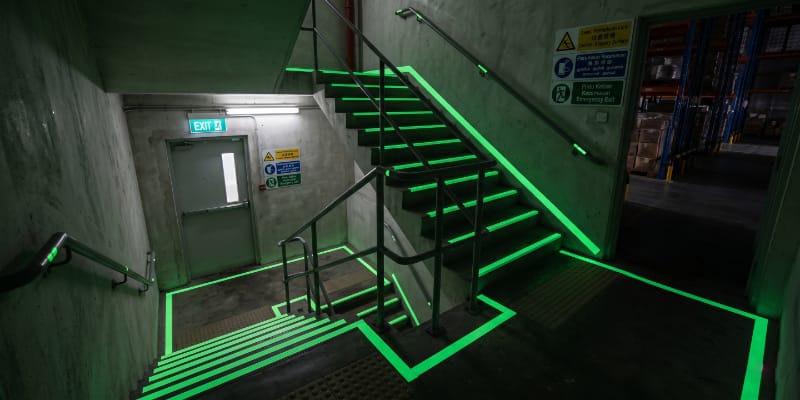
Many photoluminescent stair systems are designed around international emergency egress standards including:
- ASTM E2072
- ASTM E2073
- UL 1994
- IBC (International Building Code)
- IFC (International Fire Code)
- NFPA 101 Life Safety Code
- ISO 17398
- DIN 67510
These standards evaluate:
- Brightness performance
- Glow duration
- Slip resistance
- Fire safety
- Emergency visibility requirements
Common Applications
Commercial Buildings

Used in:
- Shopping malls
- Hotels
- Office towers
- Entertainment venues
Industrial Facilities
Helpful for:
- Warehouses
- Factories
- Loading docks
- Emergency escape routes
Residential Properties
Popular for:
- Indoor staircases
- Outdoor garden stairs
- Apartment buildings
- Elderly safety improvements
Transportation Infrastructure
Installed in:
- Airports
- Train stations
- Subway systems
- Marine vessels
How to Install Glow Staircase Nosing

Installation methods vary depending on stair material and nosing type.
Common Installation Methods
- Industrial adhesive
- Screws and anchors
- Rivets
- Embedded installation
Installation Steps
- Clean stair surface thoroughly
- Measure stair dimensions accurately
- Position nosing along stair edge
- Secure using adhesive or screws
- Allow curing time if adhesive is used
For maximum performance:
- Install in areas with regular light exposure
- Avoid permanently dark environments
- Ensure stair edges remain unobstructed
Maintenance & Lifespan
Glow in the dark stair nosing requires minimal maintenance.
Maintenance Tips
- Clean regularly using mild soap
- Avoid harsh chemicals
- Inspect for loose edges or damage
- Ensure adequate lighting exposure
High-quality aluminum stair nosing systems can last:
- 5–15 years indoors
- Several years outdoors depending on exposure conditions
Glow Stair Nosing vs LED Emergency Lighting
| Feature | Glow Stair Nosing | LED Emergency Lighting |
|---|---|---|
| Electricity Required | No | Yes |
| Maintenance | Low | Moderate |
| Wiring Needed | No | Yes |
| Works During Total Power Failure | Yes | Depends on battery |
| Energy Consumption | None | Ongoing |
| Installation Complexity | Simple | Complex |
Many modern buildings combine both systems for layered emergency safety.
Choosing the Right Glow Stair Nosing
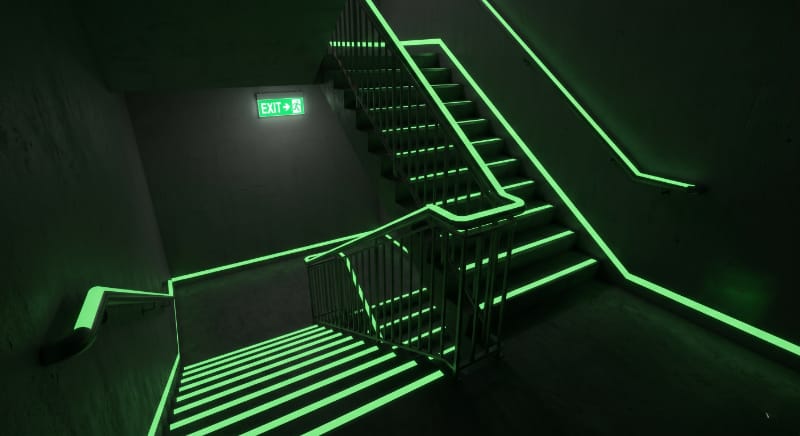
When selecting photoluminescent stair nosing, consider:
Material
- Aluminum
- PVC
- Rubber
- Stainless steel
Glow Performance
Choose high-performance rare-earth photoluminescent materials for longer visibility.
Slip Resistance
Look for anti-slip certification for commercial applications.
Installation Location
Indoor and outdoor environments require different durability levels.
Compliance
Commercial projects may require products tested to:
- UL 1994
- ASTM E2072
- Local building codes
Final Thoughts
Glow in the dark staircase nosing is one of the most practical and cost-effective ways to improve stair safety during emergencies and low-light conditions.
Modern photoluminescent stair systems combine:
- Emergency visibility
- Anti-slip protection
- Energy-free operation
- Long-term durability
- Minimal maintenance
As building safety standards continue evolving, glow stair nosing remains an increasingly important component of modern emergency egress systems for commercial, industrial, and residential environments.